Most homeowners pay attention to their plumbing when a faucet leaks, a drain becomes blocked, or a water heater stops working. However, one of the most important parts of a home’s plumbing system is also one of the least visible: the pipes running behind walls, beneath floors, and through basements.
Residential plumbing pipes are designed to provide years of dependable service, but they do not last forever. As materials age, they may develop corrosion, leaks, internal restrictions, or weakened connections that affect everyday water use.
For homeowners throughout Ottawa and Eastern Ontario, understanding the condition of aging plumbing can help prevent unexpected repairs and make future maintenance decisions easier.
At Honest D Plumbing, we help homeowners in Ottawa, Greely, Metcalfe, Russell, Osgoode, North Gower, Kemptville, Winchester, and surrounding communities identify plumbing concerns and determine practical repair or replacement options.
Knowing when older pipes need attention is an important part of protecting a home and maintaining a reliable water supply.
Why Plumbing Pipes Deteriorate Over Time
Every plumbing system experiences wear.
Water moves through supply pipes daily, while drainage lines carry wastewater away from the property. Over the years, materials are exposed to changing temperatures, pressure, minerals, and regular household use.
The rate of deterioration depends on several factors, including:
- Pipe material
- Installation quality
- Water chemistry
- Water pressure
- Environmental conditions
- Age of the plumbing system
- Previous repairs and modifications
Some pipes remain in good condition for decades, while others develop problems earlier because of their operating conditions.
This is why the age of a plumbing system should be considered alongside its actual condition.
Different Pipe Materials Age Differently
Residential properties may contain several types of plumbing materials.
Copper, PEX, PVC, ABS, and older metal piping are commonly found in different parts of residential plumbing systems.
Each material has its own characteristics and maintenance considerations.
Copper Pipes
Copper has been widely used for residential water supply lines.
Although durable, copper piping can develop corrosion or pinhole leaks under certain conditions.
Water chemistry, installation practices, and other environmental factors can influence its performance.
PEX Pipes
PEX is a flexible plastic piping material used in many modern water supply installations.
It offers several practical advantages, but proper installation and protection from unsuitable environmental conditions remain important.
Fittings and connections should also be installed according to applicable requirements.
Galvanized Steel Pipes
Some older homes may still contain galvanized steel supply piping.
Over time, corrosion and internal deposits can restrict water flow.
In certain cases, this can contribute to reduced pressure, discoloured water, or recurring plumbing problems.
Drainage Pipes
Drainage systems may contain ABS, PVC, cast iron, or other materials depending on the property’s age and construction.
These pipes can experience deterioration, joint problems, restrictions, or damage over time.
A professional assessment can help determine whether repair or replacement is appropriate.
Warning Sign #1: Repeated Plumbing Leaks
An occasional leak does not necessarily mean an entire plumbing system needs replacement.
However, recurring leaks in different locations may indicate a broader problem.
Homeowners should pay attention when repairs become increasingly frequent.
Examples include:
- Multiple pinhole leaks
- Repeated pipe joint failures
- Leaks appearing in several rooms
- Corrosion around numerous fittings
- Water damage from different plumbing locations
When several sections of piping begin failing, replacing individual components repeatedly may not address the underlying concern.
A plumber can evaluate the system and discuss whether targeted repairs or more extensive replacement would be appropriate.
Warning Sign #2: Discoloured Water
Water that appears brown, yellow, or rusty may raise concerns about the plumbing system.
Discolouration can have several possible causes, including disturbances in the water supply or corrosion in certain piping materials.
If the issue repeatedly occurs at particular fixtures or continues without an obvious explanation, further investigation may be necessary.
Homeowners should avoid assuming that all discoloured water originates from household pipes.
The source must be identified before determining the appropriate solution.
Persistent or unusual water discolouration should also be discussed with the relevant water provider or a qualified water-testing professional when appropriate.
Warning Sign #3: Gradually Declining Water Flow
A noticeable reduction in water flow can make daily household activities frustrating.
Showers may feel weaker, sinks may fill more slowly, and several fixtures may struggle when used simultaneously.
While fixture buildup and valve problems can contribute to these symptoms, aging pipes may also be involved.
Certain older metal pipes can develop internal corrosion and deposits that reduce the space available for water to move through.
A professional inspection can help distinguish between a localized restriction and a larger plumbing issue.
Warning Sign #4: Visible Corrosion on Exposed Pipes
Basements, utility rooms, and unfinished areas often provide opportunities to inspect exposed plumbing.
Homeowners may notice:
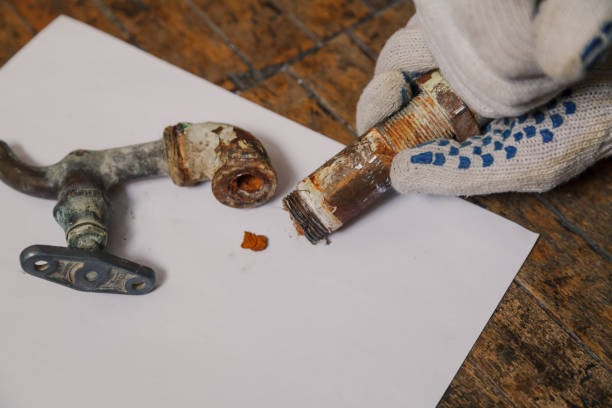
- Rust
- Green or blue-green deposits
- Flaking material
- Mineral buildup
- Moisture around joints
- Discolouration near connections
These signs do not automatically indicate that a pipe must be replaced.
However, visible deterioration deserves attention, especially when accompanied by leaks or other plumbing problems.
Corrosion around multiple sections of piping may suggest that a more detailed evaluation is worthwhile.
Warning Sign #5: Unexplained Moisture and Water Stains
Some plumbing leaks develop slowly and remain hidden.
Water may escape behind walls or beneath flooring before homeowners notice obvious damage.
Possible warning signs include:
- Damp drywall
- Ceiling stains
- Peeling paint
- Warped flooring
- Musty odours
- Moisture near baseboards
These symptoms can also result from roofing, condensation, or other building issues.
A plumbing assessment can help determine whether a concealed pipe or connection is contributing to the problem.
Early investigation may help reduce the extent of damage.
Why Older Homes Deserve Particular Attention
Ottawa and Eastern Ontario have many established residential neighbourhoods containing homes built across different decades.
Plumbing materials and installation practices have changed over time.
An older home may contain a combination of original piping and newer sections installed during renovations.
This can create a system with components of different ages and materials.
For example, a renovated kitchen may have newer supply lines while plumbing elsewhere in the property remains unchanged.
Homeowners should understand that an updated bathroom or kitchen does not necessarily mean the entire plumbing system has been modernized.
Renovations Are an Opportunity to Inspect Plumbing
Kitchen and bathroom renovations often involve opening walls, removing fixtures, or accessing concealed plumbing.
These projects may provide an opportunity to evaluate existing pipes before new finishes are installed.
Replacing deteriorated plumbing while walls are already open may be more practical than discovering a problem after renovation work is complete.
Homeowners planning renovations should consider discussing the condition of accessible plumbing with a qualified professional.
This can help identify concerns that might otherwise remain hidden.
Repair or Replace: How Is the Decision Made?
Not every aging pipe needs to be replaced immediately.
In some situations, a localized repair can restore reliable operation.
In others, broader replacement may be worth considering.
Factors influencing the decision include:
- Extent of deterioration
- Frequency of previous leaks
- Pipe material
- Accessibility
- Condition of nearby connections
- Expected future reliability
- Scope of necessary repairs
The goal is to select an appropriate solution based on the actual condition of the plumbing rather than age alone.
At Honest D Plumbing, we believe homeowners benefit from understanding their options before making significant plumbing decisions.
What Is Partial Repiping?
Partial repiping involves replacing selected sections of a home’s plumbing system.
For example, a homeowner may need to replace deteriorated supply lines serving a particular bathroom or kitchen.
This approach may be appropriate when the remaining plumbing is in acceptable condition.
Partial replacement can also be considered during renovations or when a specific section has experienced repeated problems.
However, the suitability of partial repiping depends on the overall condition and configuration of the system.
A professional plumber can help determine whether the proposed work will address the identified concern.
When Might Whole-Home Repiping Be Considered?
Whole-home repiping involves replacing a substantial portion or all of a home’s water supply piping.
It may be considered when widespread deterioration makes individual repairs increasingly impractical.
Possible reasons include:
- Repeated leaks throughout the property
- Extensive corrosion
- Significant restrictions in older piping
- Multiple deteriorated sections
- Major renovations involving widespread plumbing access
Whole-home repiping is a significant project and should be based on a careful evaluation of the existing system.
Homeowners should understand the scope, materials, access requirements, and expected disruption before proceeding.
How Water Pressure Affects Aging Pipes
Water pressure plays an important role in plumbing performance.
Excessively high pressure can place additional stress on pipes, fittings, and valves.
Older components that have already experienced wear may be more vulnerable to this stress.
A plumbing inspection may include checking whether water pressure is appropriate for the system.
Where necessary, a professional may recommend evaluating pressure-regulating equipment or addressing other contributing conditions.
Maintaining suitable pressure can support the long-term reliability of residential plumbing.
Winter Can Expose Existing Plumbing Weaknesses
Eastern Ontario winters introduce additional challenges for residential plumbing.
Pipes located near exterior walls, unheated spaces, or poorly insulated areas may be vulnerable to freezing.
When water freezes inside a pipe, pressure can develop and contribute to damage.
Older or weakened plumbing components may be particularly concerning when exposed to severe conditions.
Homeowners in Ottawa, Greely, Metcalfe, Russell, and surrounding communities should pay attention to plumbing areas that have experienced previous freezing problems.
Addressing vulnerable installations before extreme weather may help reduce the likelihood of emergency repairs.
The Importance of Proper Plumbing Installation
Replacing aging pipes involves more than selecting new materials.
Proper installation requires consideration of:
- Pipe sizing
- Water pressure
- Fixture demand
- Material compatibility
- Connection methods
- Accessibility
- Applicable plumbing requirements
Poorly planned replacement work can create new problems even when modern materials are used.
Professional installation helps ensure that repairs or upgrades are appropriate for the property’s plumbing configuration.
Can Preventive Maintenance Extend Plumbing Reliability?
Although no plumbing system lasts indefinitely, regular attention can help homeowners recognize developing problems.
Useful maintenance practices include:
- Inspecting exposed pipes for moisture
- Addressing small leaks promptly
- Monitoring unusual changes in water flow
- Checking accessible valves and connections
- Investigating repeated plumbing noises
- Arranging professional assessments when problems recur
Preventive maintenance does not eliminate every possibility of failure.
However, it can help homeowners identify issues before they become more disruptive.
Planning Plumbing Improvements Without Waiting for an Emergency
Many homeowners only consider pipe replacement after experiencing significant water damage.
A more proactive approach involves understanding the plumbing system’s condition and planning necessary improvements over time.
For example, homeowners may choose to evaluate older pipes before renovating a bathroom, finishing a basement, or purchasing an established property.
Planning allows time to review repair options and consider how plumbing work fits into other household projects.
It can also reduce the pressure of making major decisions during an unexpected plumbing emergency.
Supporting Homeowners Throughout Ottawa and Eastern Ontario
Residential plumbing systems vary widely across Eastern Ontario.
A newer home in Kemptville may have different piping materials and maintenance needs from an older property in Ottawa.
Similarly, homes in Greely, Metcalfe, Russell, Osgoode, North Gower, Winchester, and nearby rural communities may have unique plumbing configurations influenced by their age, construction, and water supply arrangements.
At Honest D Plumbing, we understand the importance of evaluating each property individually.
Our goal is to help homeowners identify concerns, understand their plumbing systems, and choose appropriate solutions for dependable long-term performance.
Professional Call-to-Action
Are aging pipes causing repeated leaks, reduced water flow, corrosion, or unexplained plumbing problems in your home?
Do not wait for a small concern to develop into a costly water damage issue.
At Honest D Plumbing, we provide professional residential plumbing services, including the assessment of deteriorating pipes, plumbing repairs, and replacement recommendations based on your home’s needs.
We proudly serve homeowners throughout Ottawa, Greely, Metcalfe, Russell, Osgoode, North Gower, Kemptville, Winchester, and surrounding Eastern Ontario communities.
Contact Honest D Plumbing today to discuss your plumbing concerns and arrange professional assistance.
Phone: (613) 229-8361
Email: honestdplumbing@gmail.com
Let our team help you maintain a dependable plumbing system and make informed decisions about your home’s aging pipes.