When winter temperatures drop across Ottawa and Eastern Ontario, many homeowners assume that keeping their heating system running is enough to protect their plumbing from freezing. After all, if the living room, kitchen, and bedrooms are comfortable, the pipes should be safe too.
Unfortunately, that is not always the case.
A home can feel perfectly warm while certain plumbing lines are exposed to dangerously cold conditions. Pipes located inside exterior walls, beneath cabinets, near uninsulated spaces, or along poorly sealed structural areas may experience temperatures significantly lower than those inside the living areas.
At Honest D Plumbing, we help homeowners throughout Ottawa, Greely, Metcalfe, Russell, Osgoode, North Gower, Kemptville, Winchester, and surrounding Eastern Ontario communities identify vulnerable plumbing and address concerns before freezing conditions cause serious damage.
Understanding why pipes can freeze inside an otherwise warm home is an important part of protecting residential plumbing throughout the Canadian winter.
Why Indoor Heating Does Not Protect Every Pipe
A home’s heating system is designed to maintain comfortable temperatures in occupied spaces. However, heat does not necessarily reach every area where plumbing has been installed.
Some pipes may be positioned behind finished walls, inside cabinets, or near structural openings where cold outdoor air can enter.
Even when the thermostat reads a comfortable temperature, these hidden locations may remain considerably colder.
Common vulnerable areas include:
- Plumbing inside exterior-facing walls
- Pipes beneath kitchen and bathroom sinks
- Unheated garages
- Crawl spaces
- Basement rim joists
- Utility rooms with limited heating
- Plumbing near poorly sealed openings
These locations deserve particular attention when outdoor temperatures remain below freezing for extended periods.
Exterior Walls Can Hide Vulnerable Plumbing
One of the less obvious winter plumbing risks involves water lines installed within exterior walls.
These pipes may be located close to insulation gaps or areas where cold air enters the wall cavity.
Because the plumbing is concealed, homeowners may not realize that the pipe is exposed to low temperatures.
A bathroom or kitchen can feel warm while a supply line behind the wall experiences significantly colder conditions.
If freezing occurs, water flow may become restricted or stop completely.
Professional plumbing assessment can help identify vulnerable installations and determine whether additional protection or corrective work is appropriate.
Kitchen Cabinets Can Trap Cold Air
Kitchen sinks are often installed along exterior walls, particularly in homes where the sink is positioned beneath a window.
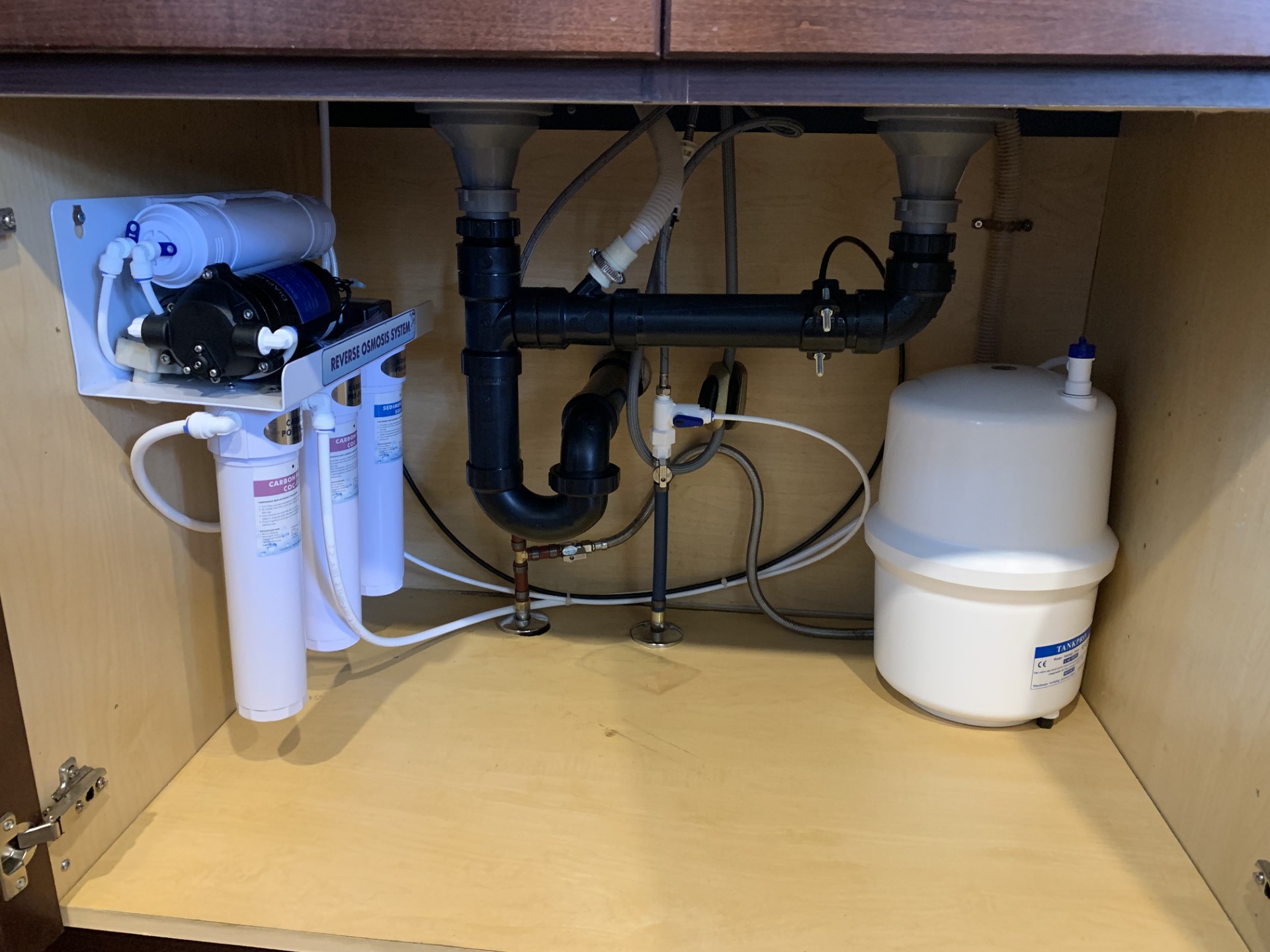
The plumbing beneath the sink may be surrounded by cabinetry that limits warm room air from reaching the pipes.
During extremely cold weather, the temperature inside the cabinet can be lower than the temperature in the kitchen.
Homeowners should pay attention to unusually cold cabinet interiors, visible drafts, or plumbing located close to exterior walls.
In certain situations, opening cabinet doors during severe cold can allow warmer room air to circulate around accessible plumbing, provided the area can be kept safe from children and pets.
However, this should not replace proper insulation, air sealing, or professional correction of vulnerable plumbing.
Bathroom Plumbing Is Not Immune to Freezing
Bathrooms contain several water supply connections that may be affected by cold conditions.
Potentially vulnerable components include:
- Sink supply lines
- Toilet supply pipes
- Shower plumbing
- Bathtub connections
- Water lines inside exterior walls
Homeowners may first notice a problem when a faucet produces very little water or stops flowing altogether.
If only one fixture is affected during extremely cold weather, a frozen section of plumbing may be one possible explanation.
However, reduced water flow can have other causes, so proper assessment is important.
Cold Air Leaks Can Create Unexpected Problems
A small opening in a home’s exterior envelope can allow cold air to reach plumbing that would otherwise remain protected.
Potential entry points include gaps around:
- Pipe penetrations
- Utility connections
- Foundation openings
- Exterior wall joints
- Basement framing
- Unsealed construction spaces
Cold air moving directly across a water pipe can increase freezing risk.
This is why plumbing protection sometimes requires more than adding insulation around the pipe itself.
The surrounding building conditions may also need attention.
Unheated Garages Deserve Special Consideration
Some residential properties have plumbing running through or near attached garages.
Although an attached garage may receive some warmth from the house, it is not necessarily maintained at a temperature sufficient to protect water pipes.
Repeated opening of the garage door can introduce large amounts of cold air.
Plumbing located along garage walls or ceilings may therefore be vulnerable during severe winter weather.
Homeowners who know that water lines pass through an unheated garage should have their installation assessed to determine whether suitable freeze protection is in place.
Crawl Spaces Can Become Extremely Cold
Crawl spaces are another area where indoor heating may provide limited protection.
Depending on the construction of the property, pipes may be exposed to cold air, inadequate insulation, or gaps in the building envelope.
Because crawl spaces are rarely visited, developing problems may go unnoticed.
Homeowners should avoid entering unsafe or difficult-to-access spaces themselves.
A qualified professional can assess accessible plumbing and recommend appropriate improvements where necessary.
The Warning Signs of a Possible Frozen Pipe
Frozen plumbing does not always announce itself through a loud noise or visible damage.
The earliest warning sign may simply be a change in water flow.
Homeowners should watch for:
- Little or no water coming from a faucet
- Sudden loss of flow at one fixture
- Unusual frost on accessible piping
- Visible swelling or damage to exposed pipes
- New moisture appearing near plumbing
- Water leakage after temperatures begin rising
A frozen pipe may not immediately leak.
Damage can become apparent when the ice begins thawing and water pressure returns.
That makes early recognition particularly important.
Why Frozen Pipes Can Burst
Water expands as it freezes.
When ice forms inside a pipe, it can block the normal movement of water and contribute to increased pressure within the plumbing system.
Under certain conditions, this pressure can cause the pipe or a connection to fail.
The resulting damage may not become visible until the frozen section begins thawing.
Once water can flow through the damaged area, leakage may occur.
Depending on the location, escaping water can affect walls, ceilings, flooring, insulation, and household belongings.
This is one reason frozen plumbing should be treated seriously even when no water is currently visible.
Never Use an Open Flame to Thaw Plumbing
When a pipe freezes, homeowners may be tempted to use a torch or another intense heat source to restore water flow quickly.
This is dangerous.
Open flames and uncontrolled heating methods can damage plumbing materials and create fire hazards.
Homeowners should also avoid applying excessive force to frozen or damaged components.
If a pipe appears frozen, professional plumbing assistance is recommended, especially when the affected section is concealed or the condition of the pipe is uncertain.
Know Where the Main Water Shut-Off Valve Is Located
A working main water shut-off valve is an important part of winter plumbing preparedness.
If a frozen pipe develops a leak, being able to stop the incoming water may help limit additional damage.
Homeowners should know where the valve is located and keep the area accessible.
It may be found in a basement, utility room, mechanical space, or near the point where the main water line enters the building.
If the valve appears damaged, heavily corroded, or difficult to operate, professional evaluation is advisable before an emergency occurs.
What to Do When Water Stops Flowing During Extreme Cold
A sudden loss of water at one or more fixtures during freezing weather should be investigated promptly.
If a frozen pipe is suspected, homeowners should avoid forcing faucets, fittings, or valves.
If leakage is present and the main water shut-off can be operated safely, shutting off the supply may help limit damage.
Professional assistance should then be arranged to assess the plumbing and determine the appropriate next steps.
Homeowners should also avoid leaving a suspected frozen pipe unattended while attempting unsafe thawing methods.
Insulation Helps, but Installation Matters
Pipe insulation can reduce heat loss and help protect certain plumbing lines.
However, insulation does not generate heat.
If a pipe is installed in an area that remains below freezing for an extended period, insulation alone may not provide adequate protection.
Effective freeze prevention may require a combination of:
- Proper pipe placement
- Suitable insulation
- Air sealing
- Adequate heating
- Corrective plumbing work
- Appropriate protection for exposed areas
The right approach depends on the property and the location of the vulnerable plumbing.
Older Homes May Have Unique Winter Plumbing Challenges
Ottawa and Eastern Ontario contain many established homes with plumbing systems installed under different construction practices.
Some properties have undergone renovations that changed the location of plumbing or altered how heat circulates through the building.
An older home may also contain hidden drafts, insulation gaps, or plumbing positioned near exterior surfaces.
These conditions do not automatically mean the plumbing is unsafe.
However, homeowners who have experienced previous freezing problems should consider having the affected areas professionally evaluated.
Repeated freezing at the same location often indicates an underlying vulnerability that needs to be addressed.
Newer Homes Can Experience Frozen Pipes Too
New construction does not eliminate every possibility of freezing.
A newer home may still experience problems if plumbing is exposed to unexpected cold air, insulation is incomplete, or a vulnerable area is not adequately heated.
Homeowners should not assume that the age of their property guarantees protection.
Understanding where water lines are located and responding to unusual winter plumbing symptoms remains important in homes of every age.
Preparing Before Leaving Home During Winter
Travel plans can create additional plumbing concerns during colder months.
A home left unattended may experience a heating malfunction, unexpected temperature drop, or plumbing problem that goes unnoticed.
Before an extended winter absence, homeowners should consider the condition of their heating and plumbing systems.
Maintaining appropriate indoor temperatures, arranging suitable property monitoring, and understanding the home’s water shut-off procedures can help reduce risks.
For properties that will be vacant for extended periods, professional winterization advice may be appropriate.
Why Professional Plumbing Inspection Is Worth Considering
Some freezing risks are easy to identify, such as exposed pipes in an unheated space.
Others are hidden behind finished surfaces.
A professional plumbing evaluation can help homeowners investigate areas where previous freezing has occurred or where plumbing may be unusually vulnerable.
Depending on the situation, recommendations may involve repairs, insulation improvements, air sealing by an appropriate professional, or changes to plumbing installation.
The goal is to address the underlying risk rather than repeatedly responding to the same winter problem.
Helping Ottawa and Eastern Ontario Homeowners Prepare for Freezing Weather
Winter conditions across Ottawa, Greely, Metcalfe, Russell, Osgoode, North Gower, Kemptville, and Winchester can be demanding on residential plumbing.
Long periods of freezing temperatures make it especially important to understand that a warm living room does not guarantee every pipe is protected.
At Honest D Plumbing, we encourage homeowners to pay attention to vulnerable plumbing areas, recognize changes in water flow, and address known freezing concerns before damage occurs.
A properly maintained plumbing system, combined with suitable protection from cold conditions, can help reduce the likelihood of disruptive winter repairs.
Professional Call-to-Action
Is your home warm, but you’re concerned that hidden pipes may still be exposed to freezing temperatures?
If you have experienced frozen pipes, reduced water flow during cold weather, leaks after a freeze, or concerns about plumbing in exterior walls, garages, basements, or crawl spaces, Honest D Plumbing can help.
Our team provides professional plumbing services to homeowners throughout Ottawa, Greely, Metcalfe, Russell, Osgoode, North Gower, Kemptville, Winchester, and surrounding Eastern Ontario communities.
Contact Honest D Plumbing today to discuss your winter plumbing concerns and arrange professional assistance.
Phone: (613) 229-8361
Email: honestdplumbing@gmail.com
We are committed to helping homeowners identify plumbing problems, make informed maintenance decisions, and protect their properties through Eastern Ontario’s challenging winter conditions.