A slow-draining sink or an occasional toilet clog may seem like a routine household inconvenience. However, when several drains begin acting up at the same time, the problem may be more serious than a simple blockage.
Water backing up into a basement floor drain, toilets making unusual gurgling sounds, or wastewater appearing in a shower after another fixture is used can indicate a problem within the home’s main sewer line.
Unlike individual fixture drains, the main sewer line carries wastewater from multiple plumbing fixtures toward the municipal sewer system or a private wastewater system. When this line becomes restricted or damaged, the effects can spread throughout the property.
At Honest D Plumbing, we help homeowners throughout Ottawa, Greely, Metcalfe, Russell, Osgoode, North Gower, Kemptville, Winchester, and surrounding Eastern Ontario communities understand residential drainage problems and identify when professional plumbing attention is necessary.
Recognizing the early warning signs of a main sewer line problem can help homeowners respond before a minor drainage concern develops into a disruptive wastewater backup.
Understanding How a Home’s Main Sewer Line Works
Every time a homeowner flushes a toilet, runs a shower, washes dishes, or uses a washing machine, wastewater enters the home’s drainage system.
Individual fixture drains connect to larger drainpipes that direct wastewater toward the main building drain and sewer connection.
In properties connected to municipal wastewater infrastructure, the building sewer generally carries wastewater toward the public sewer system.
Homes with private septic systems have different wastewater arrangements, but their building drains can experience similar restrictions and blockages.
When the main drainage path becomes obstructed, wastewater may have difficulty leaving the property.
Because several fixtures share this drainage system, a blockage can affect more than one area of the home.
Why One Clogged Drain Is Different From Several
A single slow sink often points to a localized problem.
For example, a bathroom sink may drain slowly because of accumulated hair, soap residue, or debris within its drain assembly.
However, when multiple fixtures experience problems at the same time, the cause may be farther along the shared drainage system.
Homeowners should pay particular attention when:
- Several sinks drain slowly.
- Toilets and showers experience problems together.
- Water backs up into a basement floor drain.
- Gurgling occurs when another fixture is used.
- Wastewater appears in a lower-level fixture.
These symptoms do not automatically confirm a main sewer line blockage, but they justify professional investigation.
Warning Sign #1: Water Backing Up Into a Basement Floor Drain
Basement floor drains are often among the lowest drainage openings in a home.
When wastewater cannot move freely through the main drain, it may back up through a lower fixture or floor drain.
Homeowners may notice standing water, unpleasant odours, or wastewater appearing near the basement drain.
This is a concern because wastewater can contain harmful microorganisms and other contaminants.
If sewage is backing up into the basement, homeowners should stop using water-producing fixtures and arrange professional assistance.
Avoid walking through contaminated water or attempting to clean significant sewage contamination without appropriate protective measures.
If water is near electrical equipment, keep away from the affected area and seek appropriate professional help.
Warning Sign #2: Toilets Gurgling When Other Fixtures Run
A toilet may make bubbling or gurgling sounds when air movement within the drainage system is disrupted.
For example, homeowners might hear the toilet gurgle when a nearby shower drains or a washing machine releases water.
Possible causes include:
- Partial drain blockages
- Restrictions in shared drainage piping
- Venting problems
- Main drain obstructions
Because drainage systems rely on proper airflow and wastewater movement, unusual sounds can provide useful clues.
Recurring gurgling should not be ignored, particularly when accompanied by slow drainage or backups.
Warning Sign #3: Wastewater Appearing in a Shower or Bathtub
One particularly concerning symptom occurs when water from one fixture appears in another.
For example, wastewater may rise into a bathtub or shower when a toilet is flushed or a washing machine drains.
This can happen when wastewater encounters a restriction downstream and follows another available path.
The issue may involve a shared branch drain or a larger portion of the drainage system.
A professional plumber can investigate the affected fixtures and determine where the restriction is likely located.
Warning Sign #4: Persistent Sewer Odours
An occasional unpleasant smell near a drain does not always indicate a main sewer problem.
Dry drain traps, buildup inside fixtures, and other plumbing conditions can also produce odours.
However, persistent sewage smells should be investigated, especially when accompanied by drainage problems.
Homeowners may notice odours near:
- Basement floor drains
- Toilets
- Laundry areas
- Utility rooms
- Lower-level bathrooms
The source should be identified rather than covered with air fresheners or cleaning products.
If an odour resembles natural gas rather than sewage, homeowners should treat it as a possible gas emergency and follow their gas utility’s safety instructions.
Warning Sign #5: Repeated Drain Clogs
A drain that becomes blocked once may only need a localized repair.
However, recurring blockages can indicate an underlying issue.
If homeowners repeatedly clear the same drain but the problem returns, there may be a restriction farther inside the piping.
Possible contributing factors include:
- Accumulated debris
- Grease deposits
- Foreign objects
- Damaged piping
- Tree root intrusion
- Improper drainage conditions
Repeated temporary clearing may not resolve the actual cause.
A more detailed inspection may be necessary to determine why the problem keeps returning.
Tree Roots Can Affect Underground Sewer Pipes
Trees are an important part of residential landscapes throughout Ottawa and Eastern Ontario.
However, underground sewer lines can sometimes be affected by root intrusion.
Roots may enter through existing cracks, joints, or damaged sections of piping where moisture is present.
As roots grow, they can restrict wastewater movement and trap additional debris.
Over time, the obstruction may become more severe.
Root intrusion does not necessarily mean a tree must be removed.
The appropriate response depends on the pipe’s condition, the extent of the intrusion, and the available repair options.
Grease and Household Waste Can Contribute to Blockages
Kitchen wastewater can carry small amounts of grease, oils, food particles, and other materials into the drainage system.
As grease cools, it can adhere to pipe surfaces and contribute to buildup.
Other materials may become trapped in these deposits.
Homeowners can reduce avoidable drainage problems by keeping cooking grease out of sinks and disposing of food waste appropriately.
Items such as wipes, paper towels, hygiene products, and other non-flushable materials should not be placed in toilets.
Even products marketed as flushable may contribute to sewer blockages.
Good disposal habits support the plumbing system but cannot prevent every sewer line problem.
Older Sewer Lines May Develop Structural Problems
Some established homes contain underground sewer piping installed many decades ago.
Depending on the property’s age, materials may include cast iron, clay, PVC, or other approved piping systems.
Over time, underground pipes can experience:
- Joint deterioration
- Cracking
- Corrosion
- Root intrusion
- Ground movement
- Misaligned sections
- Structural damage
These problems may create restrictions or allow debris to accumulate.
Not every older sewer line needs replacement, but repeated backups or unexplained drainage issues may justify a closer assessment.
How Seasonal Conditions Can Affect Drainage Problems
Eastern Ontario experiences significant seasonal changes, from heavy rainfall to freezing temperatures and spring thaw.
These conditions can influence the surrounding ground and drainage environment.
Periods of heavy rain may also place additional demand on municipal wastewater infrastructure in some areas.
However, homeowners should not assume that every sewer backup is caused by the weather.
A recurring problem may involve a restriction or defect within the private drainage system.
Identifying whether the issue originates inside the property, in the building sewer, or in public infrastructure is important for determining the appropriate next steps.
What Happens During a Professional Drainage Assessment?
A professional drainage assessment begins by understanding the symptoms.
A plumber may ask:
- Which fixtures are affected?
- When did the problem begin?
- Does the backup happen during specific activities?
- Has the property experienced similar problems before?
- Are there unusual sounds or odours?
- Has any previous drain repair been performed?
These details help determine whether the issue appears localized or involves shared drainage piping.
Depending on the situation, additional testing or inspection may be recommended.
The goal is to identify the likely source of the problem before selecting a repair method.
When Is a Sewer Camera Inspection Useful?
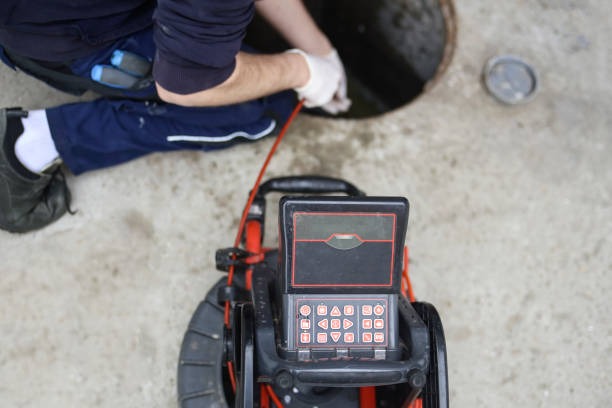
A sewer camera inspection can help examine accessible sections of drainage piping.
Specialized camera equipment is inserted into the line to provide a visual view of internal conditions.
This may help identify:
- Root intrusion
- Cracks
- Pipe displacement
- Accumulated debris
- Certain structural defects
- Obstructions
Camera inspection can provide valuable information when problems are recurring or when underground pipe damage is suspected.
However, not every drainage issue requires camera inspection, and the usefulness of the procedure depends on access and pipe conditions.
A plumbing professional can determine whether it is appropriate.
Drain Cleaning Versus Sewer Line Repair
Drain cleaning and sewer line repair address different problems.
Drain cleaning focuses on removing obstructions that restrict wastewater flow.
Depending on the situation, a professional may use mechanical drain-cleaning equipment or another suitable method.
Sewer line repair may be necessary when the pipe itself is damaged.
Examples include cracked sections, failed joints, or significant structural deterioration.
A blockage caused by debris may be resolved through cleaning, while a damaged pipe may require additional work.
Choosing the appropriate method depends on the condition of the line.
Why Chemical Drain Cleaners Are Not Always the Answer
Homeowners sometimes turn to chemical drain cleaners when drainage becomes slow.
However, these products may not resolve the underlying cause of a significant blockage.
Some chemical products can also present safety concerns when handled improperly.
Mixing drain-cleaning chemicals or combining them with other cleaning products can be especially dangerous.
For recurring blockages or suspected main sewer problems, professional assessment is generally more appropriate than repeated chemical treatments.
Homeowners should also inform their plumber if chemical drain products have already been used.
What to Do When Sewage Starts Backing Up
A sewage backup requires prompt attention.
If wastewater begins entering the home, homeowners should:
- Stop using toilets, sinks, showers, washing machines, and other fixtures that discharge wastewater.
- Keep children and pets away from affected areas.
- Avoid direct contact with contaminated water.
- Stay clear of electrical hazards.
- Contact a qualified plumbing professional.
- Arrange appropriate cleanup and sanitation if contamination has occurred.
If the backup is associated with municipal sewer conditions, the municipality or wastewater utility may also need to be contacted.
The immediate priority is preventing further wastewater discharge into the affected area and protecting household safety.
Can Preventive Maintenance Reduce Sewer Backup Risks?
Not every sewer backup can be prevented.
However, responsible plumbing habits and timely attention to warning signs can help reduce avoidable problems.
Homeowners should avoid flushing inappropriate materials, keep grease out of drains, and address recurring clogs before they worsen.
Properties with a history of root intrusion or repeated sewer restrictions may benefit from a professional maintenance plan based on the condition of their drainage system.
A plumber can help determine whether periodic inspection or cleaning is appropriate.
Sewer Problems in Urban and Rural Eastern Ontario Homes
Drainage arrangements vary across the region.
Many Ottawa properties connect to municipal wastewater systems, while some rural homes in Greely, Metcalfe, Osgoode, North Gower, Russell, Kemptville, Winchester, and surrounding communities use private septic systems.
The correct approach to a drainage problem depends partly on the property’s wastewater arrangement.
For example, a home connected to a septic system may require assessment of both its building drains and the private wastewater equipment by appropriately qualified professionals.
Homeowners should understand which system serves their property before arranging extensive repairs.
Protecting Your Home From Unexpected Drainage Problems
Main sewer line problems can be inconvenient, disruptive, and potentially damaging.
A wastewater backup may affect finished basements, flooring, walls, furniture, and stored belongings.
More importantly, sewage contamination can create health and sanitation concerns.
Recognizing unusual drainage behaviour early can help homeowners respond before conditions worsen.
At Honest D Plumbing, we encourage homeowners to take recurring drain problems seriously and seek professional assistance when multiple fixtures begin showing symptoms.
Whether the property is located in Ottawa, Greely, Metcalfe, Russell, Osgoode, North Gower, Kemptville, Winchester, or another Eastern Ontario community, reliable drainage is essential to maintaining a safe and functional home.
Professional Call-to-Action
Are multiple drains backing up, toilets gurgling, or wastewater appearing where it should not?
These symptoms may indicate a problem beyond an ordinary fixture clog.
At Honest D Plumbing, we help homeowners investigate residential drainage concerns, identify possible plumbing restrictions, and determine appropriate next steps for restoring reliable wastewater flow.
We proudly serve Ottawa, Greely, Metcalfe, Russell, Osgoode, North Gower, Kemptville, Winchester, and surrounding Eastern Ontario communities.
Contact Honest D Plumbing today to discuss recurring drainage problems or arrange professional plumbing assistance.
Phone: (613) 229-8361
Email: honestdplumbing@gmail.com
Let our team help you address troublesome drainage symptoms and protect your home from avoidable plumbing disruptions.