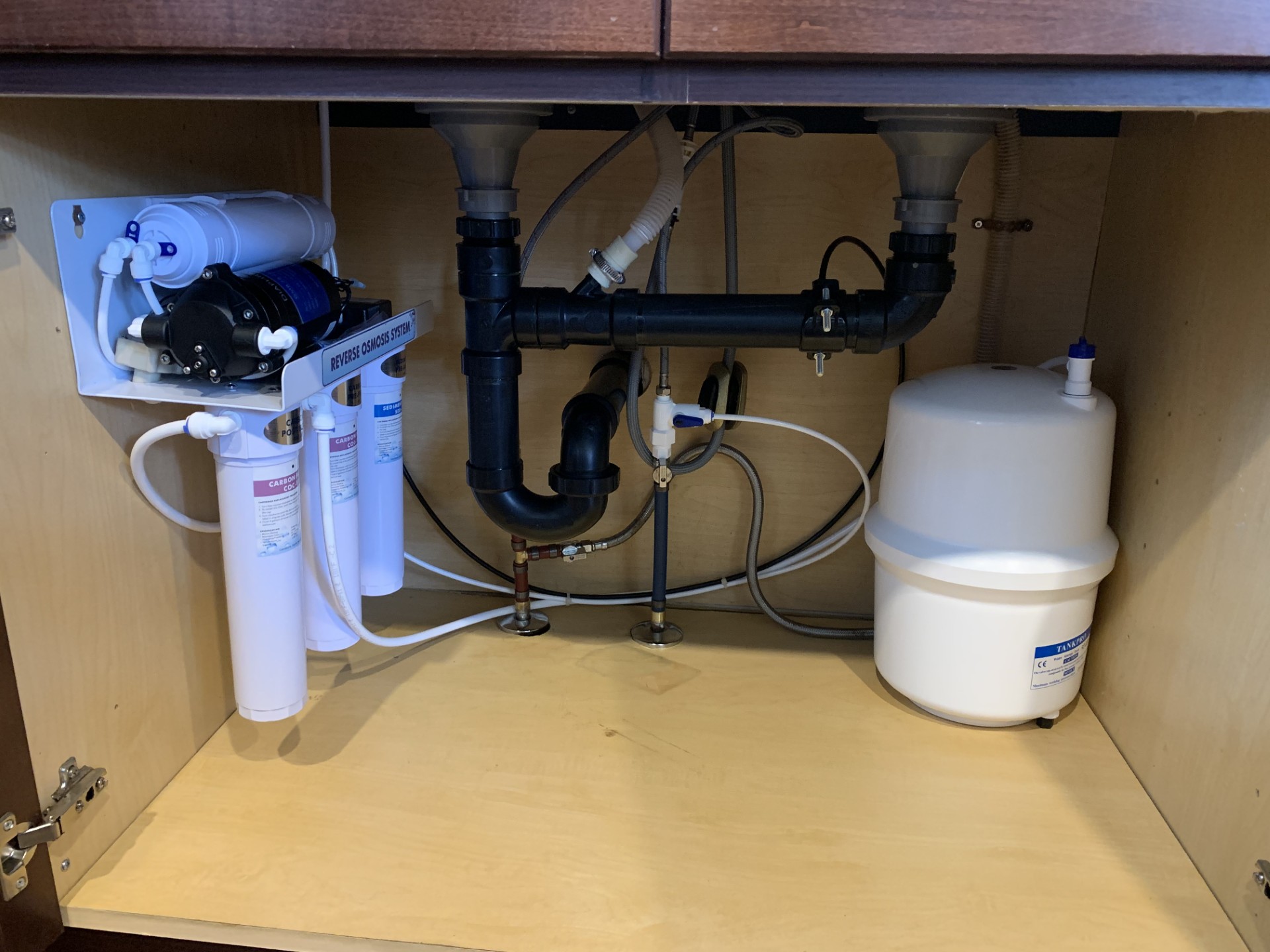
Winter in the Ottawa and Eastern Ontario region brings beauty with snow-covered landscapes but for homeowners, it also brings plumbing risks. As we’ve seen many times at Honest D Plumbing, cold temperatures, frozen ground, and fluctuating water demand turn small plumbing weaknesses into major issues. That’s why I always tell our clients: winter plumbing maintenance isn’t optional — it’s essential.
In this post I walk you through why winter is especially tough on plumbing, what you need to check, what you can do yourself, when to call us, and how regular check-ups save you money, stress, and headaches.
Why Winter Puts Plumbing at Risk
- Freezing water = bursting pipes. When water in pipes — especially uninsulated or exposed ones — freezes, it expands. That expansion can crack or burst pipes in walls, ceilings or crawlspaces.
- Older or poorly insulated homes are more vulnerable. Basements, garages, crawlspaces or utility rooms that are cold-prone often house supply lines — increasing risk of freeze.
- Increased demand on water heaters and sump/well systems. Cold water in winter makes water heaters work harder, while sump pumps or wells may face freezing discharge lines or heavier groundwater pressure.
- Drain/clog problems get worse. Grease, food waste, or debris in kitchen drains can solidify faster in cold weather — increasing chances of backups, slow drains or frozen blockages.
My Winter Plumbing Maintenance Checklist (What I Recommend to Every Homeowner)
Here’s the checklist I use when inspecting client homes — a great template for you to follow or ask us to do a full inspection.
- Inspect and insulate exposed pipes.
- Look in basements, crawl spaces, attics, garages for any exposed supply lines.
- Wrap them with foam insulation or heating tape where needed.
- Check that any exterior-facing pipes are properly sealed or weather-protected.
- Drain and winterize outdoor faucets / hose bibs.
- Disconnect garden hoses.
- Shut off internal supply to exterior taps if possible, open the faucet to drain remaining water.
- Cover the outdoor spigot with an insulated faucet cover if you’ll be leaving it exposed.
- Test and service sump pumps / well systems.
- Pour water into the sump pit to confirm the pump kicks on and discharges properly.
- Check discharge lines to ensure they are clear and will drain away from the foundation (ice doesn’t block them).
- For homes on wells: check pressure, listen for unusual sounds, and ensure the well pump and pressure tank are functioning.
- Inspect water heater and hot-water supply.
- Flush the tank to remove sediment (helps maintain efficiency).
- Check fittings and valves for leaks, corrosion or wear.
- Ensure pressure/temperature relief valve is operational.
- Check all fixtures, drains, and ventilation to avoid winter clogs.
- Clean sink strainers and shower drains.
- Avoid pouring grease or oils down drains (they harden faster in winter).
- Run water regularly in seldom-used fixtures to keep flow and prevent stagnation.
- Locate and label main shut-off valve.
- Make sure the shut-off is easy to access if an emergency freeze or burst occurs.
- Let all household members know where it is.
- Keep monitoring throughout winter.
- Watch for signs like reduced water flow, strange noises, damp spots, frost on pipes, or repeated sump activity.
- If anything seems off — call a professional early.
What You Can Do Yourself — And What You Should Leave to Pros
✅ You can safely do:
- Insulating exposed pipes with foam sleeves.
- Disconnecting and draining outdoor hoses and faucets.
- Opening cabinet doors under sinks to let warm air circulate.
- Running occasional hot-water flushes (e.g. letting a faucet drip on very cold nights).
- Checking sump-pit discharge visually for ice or blockage.
🚫 What’s best done by a professional (like Honest D Plumbing):
- Assessing hidden or slab-embedded piping — freezing damage can hide behind walls.
- Sump / well pump system testing and maintenance (especially pressure tank checks, pump motor inspection).
- Repairing or replacing compromised pipes, valves, or water heaters.
- Full winter-prep inspection for older homes, rural homes, or homes with complex plumbing layouts.
Why Early & Regular Maintenance Saves You Money (and Peace of Mind)
- Avoid costly burst-pipe repairs. One burst can mean water damage to walls, ceilings, floors — followed by drywall repair, insulation replacement, possible mold remediation. Prevention is far cheaper.
- Protect your hot-water supply and heating costs. A failing water heater or frozen supply line in winter can leave your family without hot water — and stress you don’t need in cold months.
- Prevent basement flooding or sump/well failures. Frozen discharge lines or pump failures under snow/ice can cause flooding — turning into foundation damage or long, messy clean-ups.
- Avoid plumbing emergencies when contractors are busy. Winter is peak time for plumbing emergencies — getting on schedule early ensures easier access and faster service.
- Sleep better knowing your home is ready for winter. A prepared home means fewer surprises — comfort, safety, and confidence all winter long.
My Promise to You (Why I Do This)
As owner/operator of Honest D Plumbing, serving Ottawa and Eastern Ontario homeowners, I’ve seen winter problems that could’ve been avoided with simple maintenance. I believe in prevention over reaction. When I take on a winter-prep job, I don’t just patch; I inspect, I advise, and I empower homeowners with knowledge.
I want you to enjoy the season snow, holidays, cozy nights not stress over frozen pipes or water damage.
Call to Action
If you haven’t winter-proofed your plumbing yet — or you’re unsure if it’s done right — don’t wait. Call Honest D Plumbing at (613) 229-8361 or email honestdplumbing@gmail.com to schedule your winter-readiness inspection and maintenance.
Let’s make sure your home is protected — warm, dry, and worry-free all winter long.