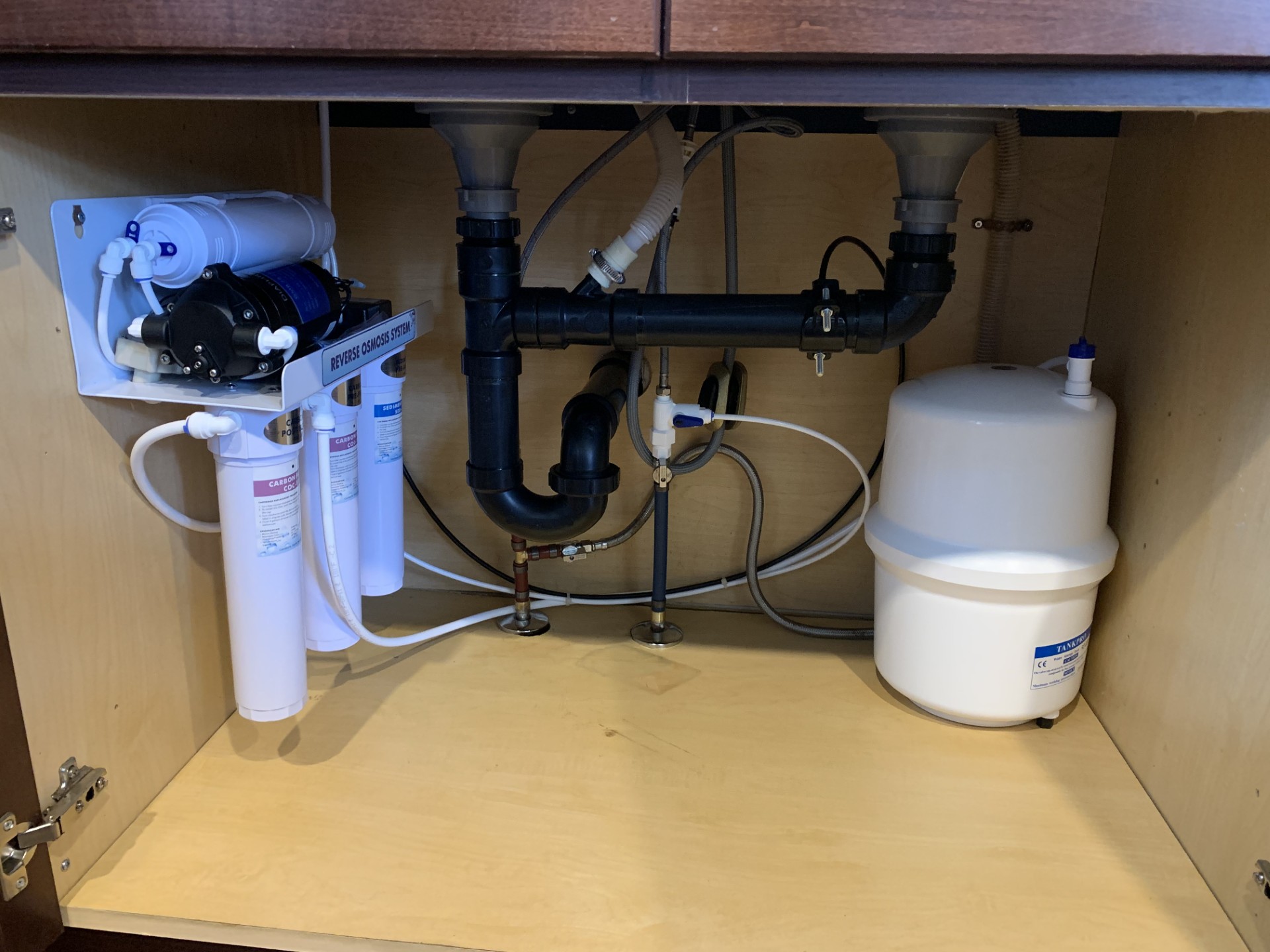
Living in rural or semi-rural Eastern Ontario — outside the city limits, maybe on well water, or with a private sump/well system — gives you space, privacy and connection to nature. But it also means your plumbing system faces different challenges than urban homes. Over the years at Honest D Plumbing, I’ve helped many rural homeowners discover issues hidden beneath floors or behind walls — issues that, if left unchecked, led to costly water problems, health risks, or major repairs.
This blog dives into common hidden plumbing problems in rural homes, why they’re especially relevant here, how to safeguard your water supply and plumbing integrity, and how we can help you stay ahead of trouble.
Why Rural Homes Need Extra Plumbing Care
- Well water & private supply systems: Unlike municipal water, private wells need regular checks for water quality, pump condition, pressure, and filter/sediment build-up. Things can degrade over time.
- Sump & drainage dependency: Rural lots often depend on sump pumps or drainage systems to protect basements or foundations from groundwater or runoff — especially with snow-melt or heavy rain.
- Exposure to cold and freeze cycles: Pipes in unheated or less-insulated crawlspaces, basements, or along exterior walls are at higher risk of freezing, more so than in modern city homes.
- Older or mixed plumbing infrastructure: Many rural homes are older, or have had piecemeal plumbing upgrades over the years making them vulnerable to corrosion, leaks, or poor flow.
Common Hidden Issues I’ve Seen (and How to Spot Them Early)
1. Well Pump & Pressure Tank Failures
- Signs: reduced water pressure, strange pump noises, water that runs out cloudy or smells, odd cycling of pump.
- Why it matters: If the pump fails — or pressure tank malfunctions — you may lose water supply entirely, or have inconsistent flow, which can damage appliances, pipes, or fixtures.
- What to do: Have your well pump and pressure tank checked annually; test water quality frequently; ensure electrical components are protected from moisture and cold.
2. Hidden Leaks Behind Walls or Slab Foundations
- Signs: damp patches, mildew smell, unexpected drop in water pressure, unexplained spikes in water use, soft spots in floor or sub-floor.
- Why it matters: Rural homes often have long runs of supply or drainage pipes; a leak inside a wall or under a slab can go unnoticed — until major damage emerges.
- What to do: Periodic full-system inspections (including slab drains), install water-leak sensors especially near hidden pipe runs, and respond quickly to any signs of moisture.
3. Sump Pump & Drainage Issues (Especially with Freeze Risk)
- Signs: sump pump runs constantly or cycles too frequently, slow drainage around foundation, occasional water in basement after heavy rain or snowmelt, ice around discharge lines.
- Why it matters: Frozen or blocked discharge pipes — or pump failure — can cause basement flooding, foundation damage, or groundwater seepage.
- What to do: Clear discharge lines before winter, insulate exposed sections, install backup power or battery-backup pump if power outage; have pump tested before first freeze.
4. Water Contamination & Sediment Build-up (Common in Wells)
- Signs: rust-coloured or cloudy water, metallic taste or odour, sediment in faucets or appliances, frequent filter replacements.
- Why it matters: Sediment, iron, manganese or other contaminants can damage appliances, shorten pipe life, and pose health concerns.
- What to do: Regular water testing, whole-house filtration or filtration system tailored to well water, maintenance of filters, advise replacement if water quality degrades.
5. Old or Inadequately Insulated Pipes / Stress from Freeze-Thaw Cycles
- Signs: frost on visible pipes, very cold utility rooms, unexplained decrease in flow or intermittent leaks, visible pipe corrosion.
- Why it matters: Older or inadequately insulated pipes are more vulnerable to cracking during freeze-thaw cycles, which are frequent in rural Ontario winters.
- What to do: Inspect and re-insulate exposed pipes (especially in the basement, crawlspace, external walls); consider upgrading older piping to modern, durable materials; keep indoor spaces above minimal temperature in winter.
What Rural Homeowners Can Do to Protect Their Plumbing & Water Supply
- Get a full plumbing and well-system inspection annually — including pressure tank, pump, filters, valves, drain lines.
- Install leak-detection sensors in basements or utility rooms — early detection saves big repairs.
- Insulate pipes thoroughly, especially those in unheated areas or external-facing runs.
- Service sump pumps and drainage regularly — test before winter, clear discharge lines, and consider backup power.
- Test well water quality every 6–12 months — watch for sediment, hardness or contamination.
- Document maintenance, repairs, and water-quality reports — adds value to your home and helps monitor long-term water health.
Why Honest D Plumbing Focuses on Rural & Semi-Rural Homes
Over the years I’ve worked with many homeowners outside city limits — and I’ve come to appreciate how different their plumbing needs are. At Honest D Plumbing:
- I understand the layout, challenges, and risks of rural/Ottawa-area plumbing (wells, sump pumps, older systems, freeze risk).
- I provide full-system inspections — not just quick fixes — to uncover hidden issues before they become emergencies.
- I offer tailored maintenance plans: from water-system checks, pump servicing, pipe insulation, drainage optimization, to well-water filtration advice.
- I am available for prompt winter-prep service so you don’t face emergencies during freezing cold spells.
Call to Action
If you live in a rural or semi-rural home and want to ensure your plumbing and water supply are protected — call Honest D Plumbing at (613) 229-8361 or email honestdplumbing@gmail.com. Let’s schedule a comprehensive plumbing & well-system audit to safeguard your home’s comfort, safety, and resale value.