By the time January arrives, many homeowners in Ottawa and Eastern Ontario believe they’re safe from frozen pipes. The holidays are over, the house has been heated consistently, and everything seems to be working fine. Unfortunately, January is actually one of the most dangerous months of the year for frozen pipe problems.
After years of responding to winter service calls in Greely, Metcalfe, Russell, Osgoode, North Gower, and surrounding rural communities, I’ve learned that frozen pipes don’t usually happen at the start of winter. They happen after weeks of cold exposure, when plumbing systems are already under stress.
In this blog, I explain why frozen pipes remain a serious risk in January, where they most commonly occur in Ottawa-area homes, how I identify freeze-prone plumbing, and what I do to prevent costly winter damage.
Why January Is Prime Time for Frozen Pipes in Eastern Ontario
January brings sustained cold — not just overnight freezes, but days or even weeks of sub-zero temperatures. This prolonged exposure allows cold to slowly penetrate wall cavities, basements, crawlspaces, and floors where plumbing runs.
In Ottawa and Eastern Ontario homes, frozen pipes in January are often caused by:
- extended cold spells rather than sudden temperature drops
- gradual heat loss in hidden spaces
- compressed or aging insulation
- air leaks that worsen over time
- reduced water movement after holiday travel
- plumbing located in exterior walls
Even homes that made it through December without issues can experience pipe freezing later in January.
The Most Common Locations I Find Frozen Pipes
Over the years, I’ve seen the same problem areas appear again and again in Ottawa, Greely, Metcalfe, and Russell homes.
Pipes in Exterior Walls
Exterior wall plumbing is one of the biggest freeze risks. Even with insulation, strong winter winds and prolonged cold can chill pipes enough to freeze water inside them.
Basement and Crawlspace Plumbing
Basements that aren’t fully insulated or crawlspaces that allow cold air infiltration are prime locations for frozen pipes in January. This is especially common in older Eastern Ontario homes.
Garage Plumbing
Garages often drop well below freezing overnight. Any plumbing running through or adjacent to the garage is at high risk if the space is not properly insulated or heated.
Kitchen and Bathroom Sink Cabinets
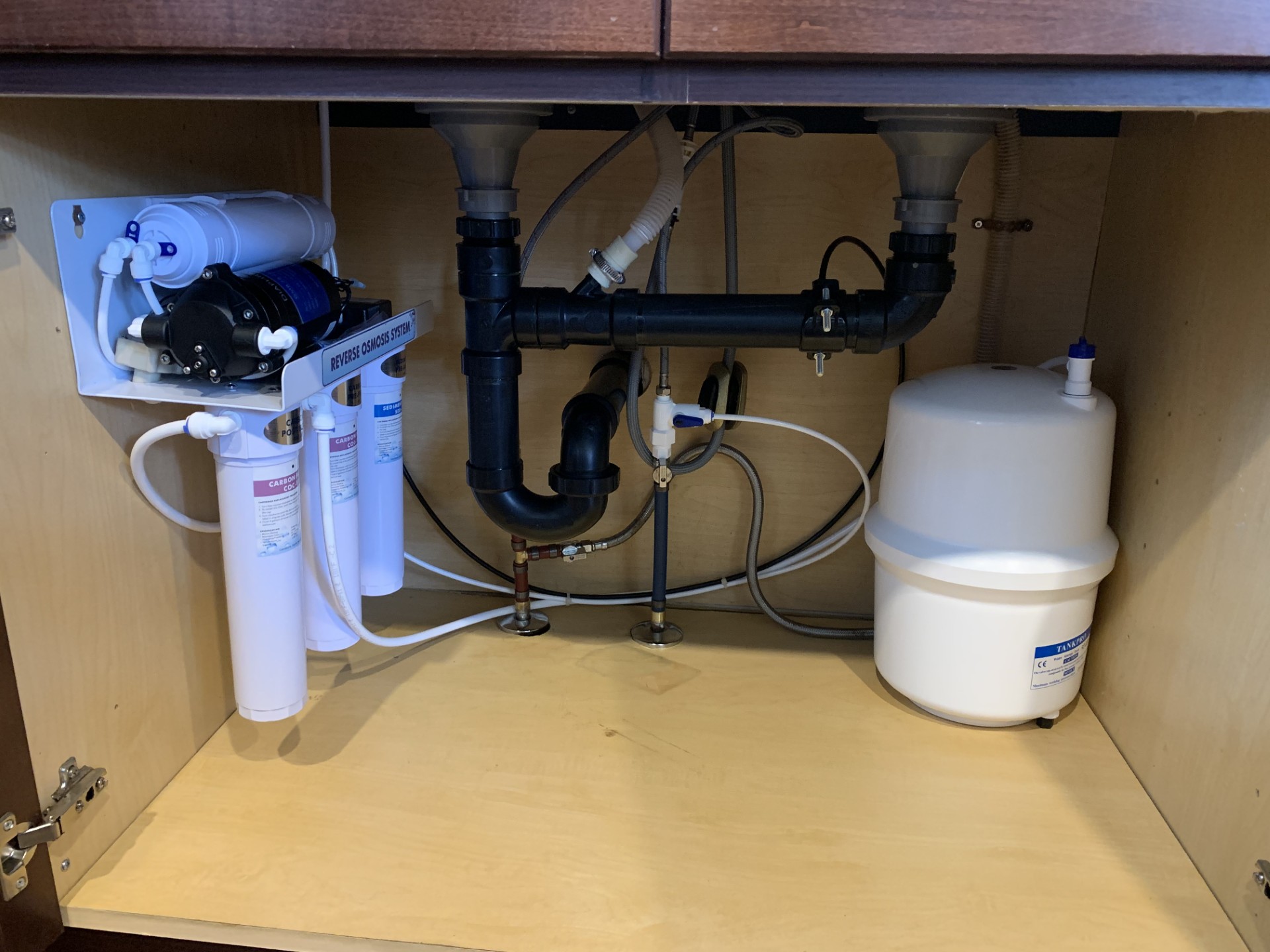
Cabinets along exterior walls trap cold air. I frequently find frozen supply lines under kitchen sinks in Ottawa-area homes during January cold snaps.
Outdoor and Underground Water Lines
Outdoor water lines near foundations and shallow underground piping can freeze when frost penetrates deeply into the ground.
Why Partial Freezing Is So Dangerous
One of the most misunderstood aspects of frozen pipes is partial freezing. Many homeowners think a pipe must be completely frozen to be a problem — that’s not true.
When ice forms in part of a pipe:
- water pressure builds behind the ice
- stress fractures develop in the pipe
- fittings and joints weaken
- cracks form without visible leaks
Once temperatures rise and the ice melts, water flows through damaged sections, often causing flooding inside walls or ceilings.
This is why I see so many burst pipes after cold snaps, not during them.
Warning Signs That Pipes Are Freezing
Frozen pipes don’t always announce themselves clearly. During January service calls across Eastern Ontario, homeowners often tell me they noticed signs but didn’t think they were serious.
Common warning signs include:
- reduced water flow
- uneven water pressure
- frost on exposed pipes
- cold spots on walls or floors
- strange noises when taps are opened
- no water from one fixture while others work
If you notice any of these signs, immediate action is critical.
How I Identify Freeze-Prone Plumbing in Ottawa Homes
When I inspect a home during January, I focus on identifying weak points before pipes freeze completely.
Inspecting Insulation Coverage
I check whether pipes are properly insulated and whether insulation has shifted, compressed, or deteriorated over time.
Checking for Air Leaks
Small gaps around pipe penetrations allow cold air to enter wall cavities. I look for drafts, gaps, and unsealed openings that expose pipes to freezing air.
Monitoring Pipe Temperature
I assess how cold exposed pipes are relative to indoor air temperature. Pipes that remain significantly colder are prioritized for protection.
Reviewing Plumbing Layout
In older Ottawa and Eastern Ontario homes, plumbing layouts were not always designed with modern insulation standards in mind. I identify pipes routed through risky locations and recommend solutions.
How I Prevent Frozen Pipes in January
Once freeze risks are identified, I take action to protect the plumbing system.
Improving Pipe Insulation
I install proper insulation around exposed pipes, focusing on high-risk areas such as exterior walls, basements, and crawlspaces.
Sealing Cold Air Entry Points
Blocking cold drafts is just as important as insulating pipes. Sealing air leaks significantly reduces freezing risk.
Protecting Valves and Fixtures
Valves and fittings are often the first components to fail during freezing conditions. I ensure they are insulated and accessible.
Adjusting Plumbing Layouts Where Possible
In some cases, rerouting pipes or modifying access points reduces long-term freeze risk.
What Homeowners Should Do During January Cold Spells
Homeowners in Ottawa and Eastern Ontario can help prevent frozen pipes by:
- maintaining consistent indoor heat
- opening cabinet doors under sinks
- keeping interior doors open for air circulation
- allowing a slow drip from vulnerable faucets
- keeping garage doors closed
- removing snow buildup near foundation vents
These steps help maintain warmer air around plumbing.
What Not to Do When Pipes Freeze
Some common mistakes can make frozen pipe damage worse:
- using open flames to thaw pipes
- overheating pipes with space heaters
- pouring boiling water into frozen drains
- ignoring reduced water flow
Improper thawing often leads to burst pipes.
Why January Is the Best Time to Inspect for Freeze Risks
January reveals plumbing weaknesses that aren’t visible during milder weather. Inspections during this month allow me to address vulnerabilities before February cold snaps or spring thaw cause major damage.
Homes in Ottawa, Greely, Metcalfe, Russell, and surrounding Eastern Ontario communities benefit greatly from proactive winter pipe protection.
Why Frozen Pipes Cost More to Repair in Winter
Winter pipe repairs often involve:
- emergency service calls
- frozen access points
- water damage cleanup
- drywall removal
- insulation replacement
Preventive service is always less expensive than emergency repairs.
Why I Take Frozen Pipe Prevention Seriously
I’ve seen firsthand how devastating frozen pipes can be. Water damage spreads quickly, displaces families, and leads to expensive repairs — all during the coldest months of the year.
My goal is to help homeowners stay ahead of winter plumbing problems and protect their homes from unnecessary damage.
Professional Call-to-Action
If you’re concerned about frozen pipes in your Ottawa, Greely, Metcalfe, Russell, or Eastern Ontario home, now is the time to act.
📞 Call Honest D Plumbing at (613) 229-8361
📧 Email honestdplumbing@gmail.com
I’ll inspect your plumbing system, identify freeze risks, and help protect your home before winter causes serious damage.