February is one of the most dangerous months of the year for hidden plumbing leaks in Ottawa and Eastern Ontario. By this point in winter, plumbing systems in homes across Ottawa, Greely, Metcalfe, Russell, Osgoode, and surrounding rural communities have been under constant stress for weeks. Pipes have endured freezing temperatures, pressure changes, and heavy use — and that stress often results in leaks that stay hidden until serious damage is already done.
As a licensed plumber serving Eastern Ontario, February is when I uncover the most hidden leaks behind walls, under floors, and inside ceilings. These leaks don’t usually start in February — they begin earlier in winter, then slowly worsen until visible signs finally appear. Unfortunately, by the time homeowners notice them, repairs are often far more involved.
In this blog, I explain why February is the peak month for hidden plumbing leaks, where I most often find them in Ottawa-area homes, how cold weather contributes to concealed damage, and what homeowners should watch for before small leaks turn into major repairs.
Why Hidden Leaks Are More Common in February
Hidden leaks rarely appear suddenly. In Eastern Ontario homes, they usually develop gradually due to repeated freeze-thaw cycles.
By February, plumbing systems have already experienced:
- weeks of freezing temperatures
- partial pipe freezing followed by thawing
- expansion and contraction of pipe materials
- increased pressure on fittings and joints
- heavy indoor water usage
Each freeze-thaw cycle weakens pipes slightly. Eventually, small cracks or loose joints form. Water begins escaping slowly — often behind drywall or beneath flooring — where it can go unnoticed for weeks.
February is when this accumulated damage finally reveals itself.
The Most Common Places I Find Hidden Leaks in February
Over the years, I’ve identified clear patterns when inspecting homes in Ottawa, Greely, Metcalfe, Russell, and rural Eastern Ontario.
Pipes in Exterior Walls
Plumbing located in exterior walls is one of the most vulnerable areas. Cold air penetrates wall cavities during winter, causing pipes to partially freeze. When they thaw, small fractures form and begin leaking behind drywall.
Ceilings Below Bathrooms
Leaks from showers, tubs, or toilets often appear in ceilings below second-floor bathrooms. February is when these leaks become visible as water stains, bubbling paint, or sagging drywall.
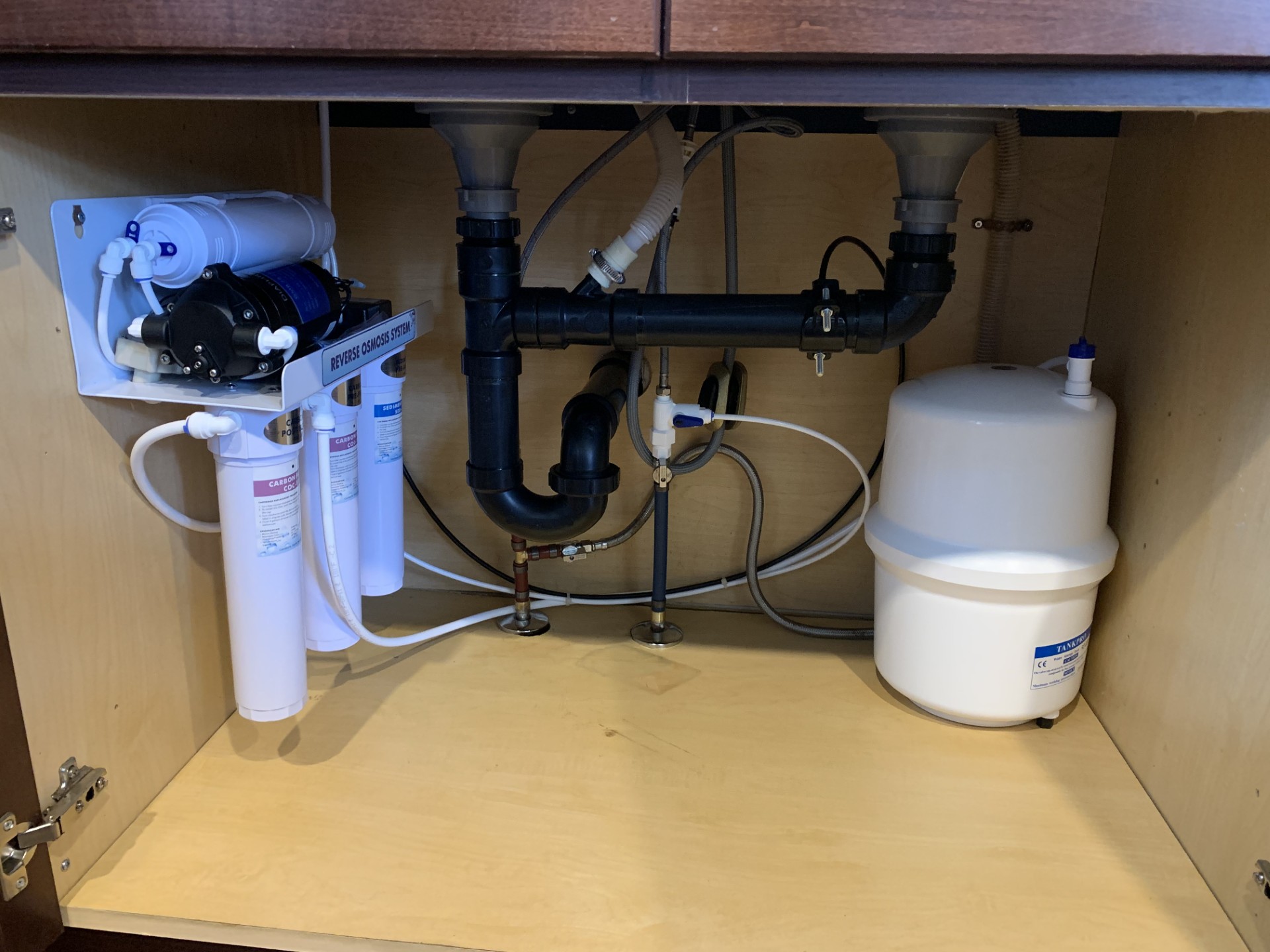
Under Kitchen and Bathroom Sinks
Supply lines, shut-off valves, and drain connections under sinks are frequent leak sources. Cold cabinets and exterior wall placement increase stress on these components.
Near Water Heaters
Water heaters work hardest in winter. In February, weakened fittings, valves, or tanks may begin leaking — often slowly enough to go unnoticed until moisture damage spreads.
Basements and Utility Rooms
Hidden leaks frequently develop along basement supply lines, especially in older Ottawa homes or rural Eastern Ontario properties with exposed piping.
Why February Leaks Are So Destructive
Hidden leaks are far more damaging than visible ones. When water leaks behind walls or under floors, it spreads silently and affects multiple building materials.
February leaks are especially destructive because:
- cold temperatures slow evaporation
- moisture remains trapped indoors
- mold growth accelerates
- insulation becomes saturated
- structural materials weaken
By the time a leak is discovered, the damage is often extensive.
Warning Signs Homeowners Should Never Ignore in February
Many homeowners overlook subtle warning signs during winter, assuming they’re related to humidity or temperature changes. In reality, these signs often indicate hidden leaks.
Watch for:
- musty or damp odors
- unexplained humidity indoors
- peeling paint or bubbling drywall
- water stains on ceilings or walls
- warped flooring
- sudden increases in water bills
- unexplained cold or warm spots on walls
- mold growth near baseboards or cabinets
Any of these signs in a February setting should be taken seriously.
How Cold Weather Contributes to Hidden Leaks
Winter conditions in Ottawa and Eastern Ontario place unique stress on plumbing systems.
Freeze-Thaw Expansion
Water expands when it freezes. Even partial freezing creates internal pressure that weakens pipes. When thawing occurs, water escapes through newly formed cracks.
Pipe Contraction
Cold temperatures cause pipes to contract, stressing joints and fittings. Over time, seals loosen and small leaks develop.
Increased Water Pressure
In winter, pressure fluctuations are common — especially in rural homes with well systems. These fluctuations accelerate wear on plumbing components.
Reduced Inspection Visibility
During winter, many leak indicators are harder to spot. Basements may be cluttered, windows stay closed, and moisture may go unnoticed longer.
How I Diagnose Hidden Plumbing Leaks in February
When I’m called to inspect a home in Ottawa or Eastern Ontario for suspected leaks, I follow a detailed process.
Step 1: Listening to Homeowner Concerns
Changes in smell, sound, or water usage often provide the first clues.
Step 2: Visual Inspection
I look for subtle signs of moisture damage, discoloration, or material changes in high-risk areas.
Step 3: Moisture Detection
I check walls, floors, and ceilings for abnormal moisture levels that indicate hidden leaks.
Step 4: Pressure and Flow Testing
I test the plumbing system to identify pressure loss or irregularities that signal hidden issues.
Step 5: Targeted Access
Only when necessary do I access hidden plumbing to repair the leak efficiently and minimize disruption.
Why February Is the Best Time to Find Leaks Before Spring Thaw
Many homeowners wait until spring to address plumbing issues. Unfortunately, spring thaw often makes leak damage far worse.
When temperatures rise:
- water flow increases
- leaks spread faster
- mold growth accelerates
- foundation moisture increases
Identifying leaks in February allows repairs to be completed before spring conditions multiply the damage.
Why Older and Rural Homes Are Most at Risk
Homes in Ottawa, Greely, Metcalfe, and Russell vary widely in age and construction style. Older homes often have:
- aging pipe materials
- mixed plumbing systems
- outdated insulation
- longer pipe runs
Rural Eastern Ontario homes may also rely on well systems, increasing pressure fluctuations and wear.
These factors make February leak detection especially important.
Why I Encourage February Leak Inspections
Hidden leaks are one of the most expensive plumbing problems homeowners face — not because the repair is complex, but because the damage spreads before it’s noticed.
February inspections allow me to:
- catch leaks early
- prevent structural damage
- reduce mold risk
- protect finished spaces
- save homeowners significant repair costs
Early detection makes all the difference.
Professional Call-to-Action
If you live in Ottawa, Greely, Metcalfe, Russell, or anywhere in Eastern Ontario and suspect a hidden plumbing leak — or simply want peace of mind — now is the time to act.
📞 Call Honest D Plumbing at (613) 229-8361
📧 Email honestdplumbing@gmail.com
I’ll inspect your plumbing system, locate hidden leaks, and protect your home before winter damage becomes a costly spring problem.