If your home is in Manotick, Embrun, or elsewhere on Ottawa’s water supply grid, your tap water likely flows through one of Ottawa’s two main water purification plants before reaching you. Understanding how these systems work—and the protections in place—is key to appreciating your water quality and recognizing when additional water treatment Ottawa prices or free water treatment Ottawa offers might make sense.
In this article you’ll learn:
- What the Britannia and Lemieux Island purification plants do
- How Intake Protection Zones (IPZs) and source water protection work
- What this means for water quality in our area
- Why people often ask “water treatment Ottawa cost” or “free water treatment Ottawa”
1. The Backbone: Britannia & Lemieux Island Water Purification Plants
A. Where Ottawa Gets Its Water
Ottawa draws raw water from the Ottawa River, pulling it through intake structures located upstream of the purification plants. The two main purification plants servicing the city are:
- Lemieux Island Water Purification Plant
- Britannia Water Purification Plant Wikipedia
These plants together treat hundreds of millions of litres of water daily. The treated water is then distributed through Ottawa’s extensive pipeline network to homes in Manotick, Embrun, and beyond.
B. Treatment Processes & Quality Controls
Here’s how Ottawa purifies water (a “multi-barrier” approach)
- Screening / intake cleaning: Raw water is screened to remove large debris.
- Coagulation & flocculation: Coagulants are added to bind fine particles together (forming “floc”).
- Sedimentation: The heavier floc settles to the bottom, separating from cleaner water.
- Filtration: Water passes through sand / anthracite filters to remove finer suspended particles.
- Disinfection & chemical adjustments: Chlorine or chloramine is used for microbial control, pH is corrected, and fluoride is added for dental health.
- Distribution & monitoring: Once treated, water enters the distribution network of pipes. Throughout the network, regular testing ensures compliance with Ontario Drinking Water Standards.
In 2022, for example, no samples of treated water leaving the plant tested positive for E. coli or total coliform bacteria. In the distribution system, only 12 out of 3,280 samples (~0.4%) indicated trace coliform presence—within expected norms.
2. Intake Protection Zones, Source Water Protection & Why They Matter
A. What are Intake Protection Zones (IPZs)?
Ottawa’s water system is governed by Source Water Protection Plans, under Ontario’s Clean Water Act, to guard drinking water at the source rather than relying solely on treatment. The Ottawa system has mapped Intake Protection Zones (IPZs) around its intake points on the Ottawa River. In these zones, certain land uses (like fuel storage, large chemical operations, or high-risk agricultural practices) are regulated to reduce contamination risk.
For homes in Manotick or Embrun, the relevance is that any upstream land pollutant could eventually influence water quality, especially if extreme events or contamination occur. The IPZ mapping supports oversight and protection before the treatment plant receives raw water.
B. Drinking Water Protection & Local Policies
Ottawa participates in the Mississippi-Rideau and Raisin-South Nation Source Protection Plans. Through these plans:
- Municipalities, industries, and landowners are guided or restricted in high-risk zones.
- Property owners in vulnerable zones are encouraged to adopt practices like reduced chemical use, proper fuel storage, septic system maintenance, and responsible landscaping.
- Signs and educational resources are provided (e.g. “Living in the Drinking Water Protection Zone”) to inform residents.
These measures help reduce the burden on the treatment plants and reduce risk of raw water contamination.
3. What It Means Locally for Manotick & Embrun Homes
A. Tap Water Quality You Can Expect
Because your water is already treated with robust multi-barrier processes and monitored continuously, your tap water is generally safe to drink and meets provincial standards. However:
- The treated water may still carry disinfection by-products, trace minerals, or residual chlorine — depending on distribution distance and pipe conditions.
- In periods of extreme rainfall or upstream events, raw water quality may shift (higher turbidity, sediment), which can stress treatment systems; sometimes utilities issue boil water advisories if treatment cannot guarantee safety temporarily.
B. Why Many Ask “Water Treatment Ottawa Cost” or “Free Water Treatment Ottawa”
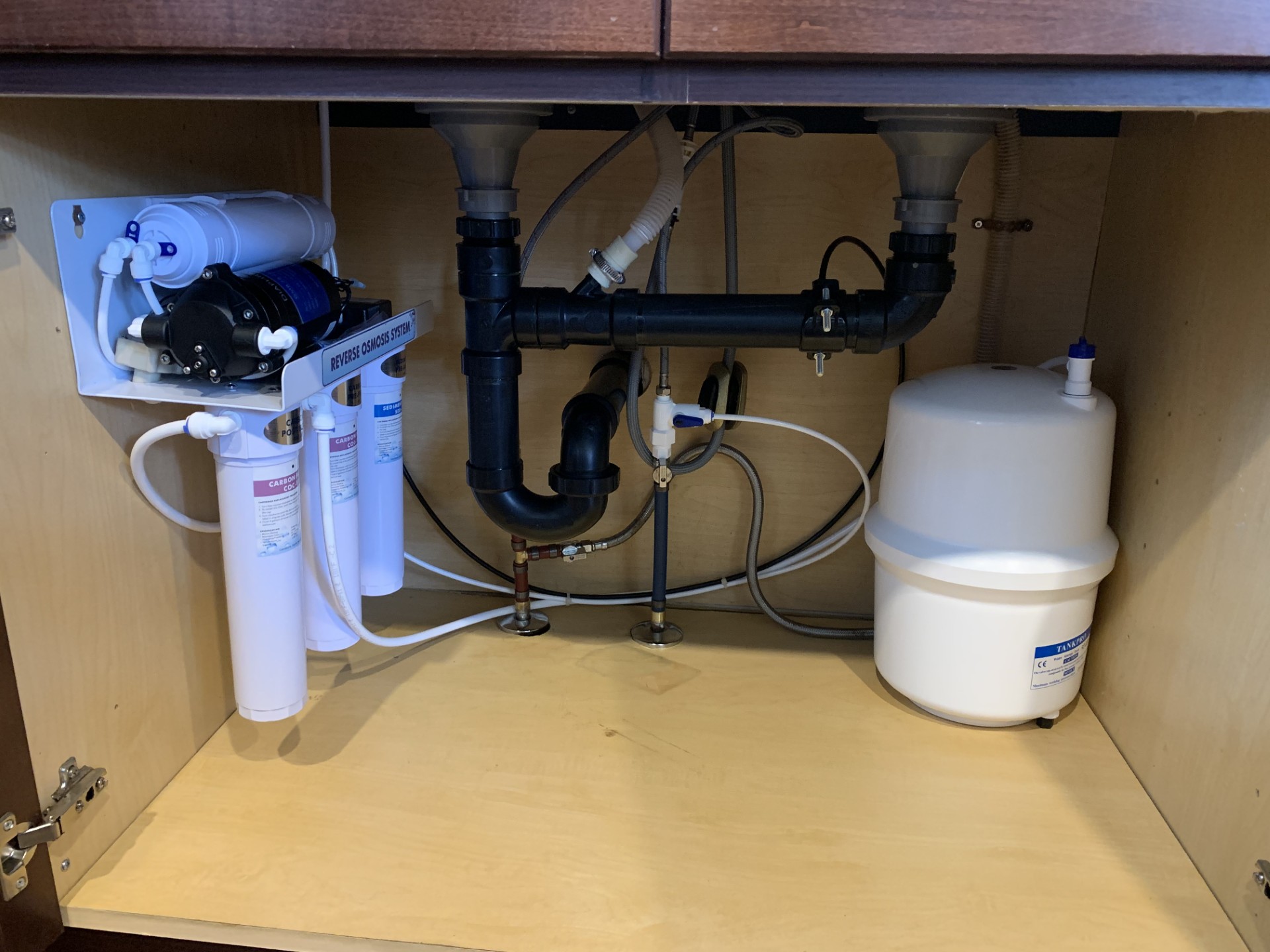
Even with public treatment, homeowners sometimes choose point-of-use or point-of-entry water treatment systems (e.g. RO units, activated carbon filters, UV systems) to further polish water—improve taste, reduce residual chlorine, or filter trace contaminants. Because these systems cost money, many search for water treatment Ottawa cost.
“Free water treatment Ottawa” sometimes shows up in local promotions or grant programs for water filter giveaways, rebates, or special trials used by certain vendors. Typically, it’s not free forever but might cover parts or a trial period.
If your local water already meets health standards, your incremental benefit from additional treatment depends on your sensitivities (taste, odor, trace chemicals) or specific water concerns.
4. When Additional Home Water Treatment Makes Sense
Here are situations when households in Manotick or Embrun might benefit from extra treatment:
- You detect unusual taste, odor, or discoloration, especially after heavy storms or municipal maintenance.
- Your home’s plumbing is aging, causing internal leaching (e.g. lead solder, corrosion).
- You want point-of-use purification (e.g. for drinking or cooking) beyond municipal treatment.
- You have a private well (or hybrid supply) and need robust microbial or chemical filtration.
In such cases, knowing how municipal treatment works helps you choose the right supplementary system rather than overpaying for unnecessary features.
✅ Call to Action: Smart Water Choices Start Here
If you live in Manotick, Embrun, or nearby, and you want to better understand your tap water or explore water treatment options:
📞 Call or Text: 613-229-8361
🌐 Visit Our Website: honestdplumbing.ca
📧 Email: info@honestdplumbing.ca
At Honest D Plumbing & Handyman Services, we offer free consultations, water testing, and tailored recommendations. Whether you’re curious about water treatment Ottawa prices, or want help upgrading your home water system safely, we’re here to guide you.