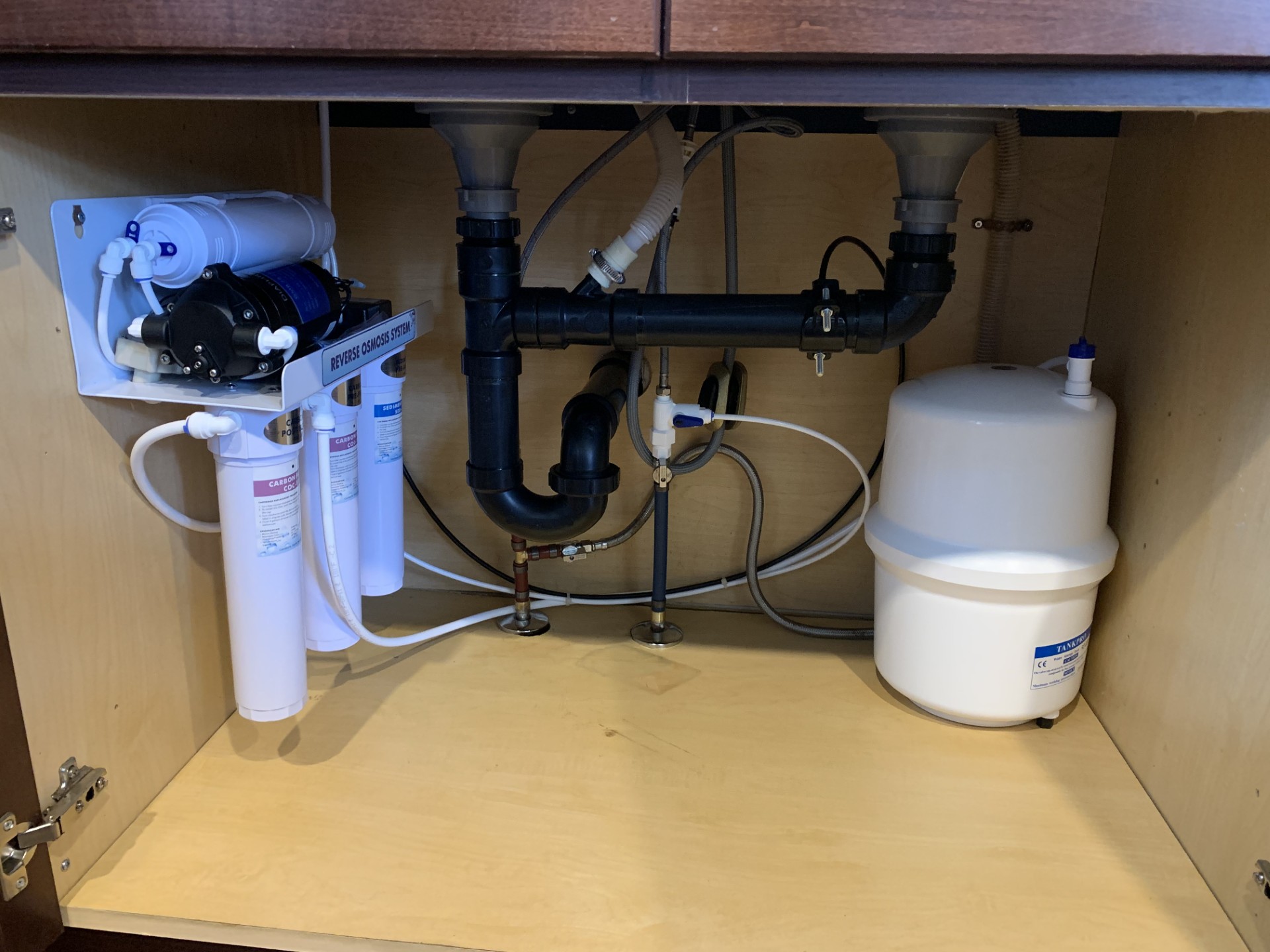
Winter in Eastern Ontario can be harsh on plumbing systems, especially water treatment systems. In Russell, Embrun, and the surrounding rural and semi-rural areas, freeze cycles, temperature swings, and neglect can lead to cracked pipes, ruptured tanks, or system failures. This year, get ahead of the cold and protect your investment.
In this post you’ll find:
- Key maintenance steps to winter-proof your system
- How to check water quality before and after winter
- A comparison: residential water treatment systems vs full-home upgrades
- What you should expect for water treatment Ottawa cost
- Tips on choosing the best water treatment setup for your area
Why Winter Can Be Tough on Water Treatment Systems
Water treatment equipment (softeners, reverse osmosis units, whole-house filters) contains plumbing lines, tanks, valves, and sometimes electrical components. When they’re exposed to freezing—particularly in basements, crawl spaces, garages, or unfinished areas—the risk of damage rises sharply.
Common winter stresses include:
- Freezing of residual water in pipes, leading to bursts
- Contraction and expansion cycles stressing seals and joints
- Sediment or mineral settling becoming more concentrated in cold conditions
- Power outages affecting UV or pump-assisted systems
- Stagnation allowing microbial growth during long inactive periods
Taking pre-winter steps can save substantial repair costs and downtime.
1. Pre-Winter Maintenance & Inspection Checklist
Below is a seasonal maintenance checklist to protect your water treatment system in Russell, Embrun, and nearby areas.
| Task | Why It Matters | Tip / Timing |
|---|---|---|
| Flush or backwash the system (if applicable) | Removes trapped sediment and prevents buildup that could freeze or clog | Do this before the coldest temperatures kick in |
| Replace filters & membranes | Partially clogged filters strain the pump and slow flow | Carbon and sediment filters: every 6–12 months; RO membranes as per manufacturer |
| Drain bypass lines and unused branches | Idle lines can hold water that may freeze | Open valves to let water drain out or plug and insulate |
| Insulate exposed piping and tanks | Prevents pipe freeze and reduces thermal loss | Use foam insulation or heating tape in vulnerable zones |
| Check seals, O-rings, and valves | Cold can cause rubber parts to crack or shrink | Apply silicone grease to seals to keep them flexible |
| Test system under full load | Confirm everything works before freezing weather hits | Run water through all faucets, check pressure, taste, clarity |
| Install a battery backup or UPS (for systems with electronic or pump components) | Protects against winter power outages | Ensure the backup is fully charged and tested |
| Label all valves | In emergencies, you’ll know what to shut down | Use weather-resistant labels |
Many maintenance providers in Ottawa encourage regular seasonal checks to prevent malfunctions and extend system life.
2. Checking Water Quality: Before & After Winter
Even robust systems can struggle if source water changes or parts degrade. Use these steps to monitor:
- Baseline test in early fall
- Run a municipality or private lab test for hardness, iron, chlorine, pH, TDS, bacteria
- Document results for comparison post-winter
- Mid-winter check
- Look for discoloration, odd odours, drop in pressure
- If tastes or smells change, something may be failing
- Spring re-test
- Compare to your baseline to detect drift or contamination
- Adjust or service the system based on changes
Keeping good records helps you detect early system degradation and make informed decisions.
3. Residential Water Treatment vs Full-Home Upgrades: What’s Right for You?
Residential (Point-of-Use / Partial) Systems
- Typically under-sink RO filters or countertop units
- Treats drinking water, sometimes kitchen or bathroom tap
- Lower cost, easier maintenance, compact footprint
- Won’t protect all appliances or plumbing against scaling or sediment
Full-Home (Point-of-Entry) Systems
- Installed on the main line entering the house
- Softening, whole-house filtration, iron removal, UV disinfection
- Protects appliances, extends pipe life, improves water everywhere in house
- Higher upfront cost, larger footprint, more complex installation
Depending on your water source (municipal or well), usage, and budget, the “best water treatment” setup can vary. Whole-home systems offer comprehensive coverage, but partial systems make sense where budgets or space are limited.
In the Ottawa area, under-sink reverse osmosis units alone cost roughly CAD 150–600 for the unit, while whole-home softeners / filtration setups range from CAD 500 to 3,000+ (including installation) depending on complexity. Honest D Plumbing
4. What to Anticipate for Water Treatment Ottawa Cost
Here’s a rough breakdown of what you might expect, specifically in Ottawa / surrounding service zones:
| System Type | Estimate Cost Range* | Notes |
|---|---|---|
| Under-sink RO unit | CAD 150 – 600 | Unit only; excludes plumbing setup overhead Honest D Plumbing |
| Whole-home water softener / filtration | CAD 500 – 3,000+ | Depends on capacity, additional filters, electrical work |
| Installation labor + materials | CAD 100 – 1,000+ | Based on complexity, retrofit work, wall cutting, hookups |
| Maintenance & consumables (yearly) | CAD 100 – 400+ | Replacement filters, salt, membrane, UV bulb life |
| Winter-proofing & insulation | CAD 50 – 200 | Insulation, heating cable, backup power prep |
*These are ballpark figures—your site conditions, water quality, and home layout will affect the final cost.
5. Winter-Specific Risks & How to Mitigate Them
- Tank freeze / rupture: Tanks in cold basements or garages are vulnerable. Keep in warmer zones or use insulation.
- Pump cavitation: Starving pumps due to frozen intake causes damage. Always ensure intake lines are clear and above freeze zones.
- Line freeze in crawlspaces: Use heat cables or rigid insulation; eliminate standing water.
- Low water pressure: Mineral constriction or partial freeze can pinch lines. Test pressure mid-winter and act fast.
- UV lamp failure: Lamps can flicker if electronic power supply is unstable in cold. Ensure proper voltage and backups.
Planning ahead and doing routine maintenance reduces costly emergency repairs.
6. When to Call a Professional vs Doing It Yourself
DIY tasks (safe for most homeowners)
- Replacing filters, sediment cartridges
- Insulating exposed lines
- Flushing or backwashing (if system design allows)
- Recording water quality tests
- Verifying electrical or backup battery operation
When to call a licensed plumber or certified water specialist
- Installing or disassembling full-home systems
- Any modifications to plumbing lines behind walls
- Handling UV systems, pumps, or motors
- Diagnosing complex water chemistry issues
- Repairing frozen or burst hardware
In emergencies (freezing failure, leaks), you may need to search for a 24 hour plumber near me or a “plumber near Greely, Ottawa” depending on your location.
Call to Action: Get Winter-Ready with Honest D Plumbing & Handyman
Don’t let winter freeze out your water quality. At Honest D, we provide both plumbing and handyman prep services to winterize your treatment systems and protect your home in Russell, Embrun, Metcalfe, Greely, Winchester, Crysler, and surrounding areas.
📞 Call or Text: 613-229-8361
🌐 Visit Our Website: honestdplumbing.ca
📧 Email: info@honestdplumbing.ca
Whether you’re exploring residential water treatment, estimating water treatment Ottawa cost, or picking the best water treatment for your home, we’re here to help. Schedule your winterization consultation today and rest easy through the cold months.