January deep freezes are one of the biggest threats to residential plumbing systems in Ottawa and Eastern Ontario. Every winter, I respond to emergency calls from homeowners in Greely, Metcalfe, Russell, Osgoode, North Gower, and surrounding rural communities who are dealing with frozen or burst pipes — often during the coldest nights of the year.
What many homeowners don’t realize is that frozen pipes are rarely sudden accidents. In most cases, the conditions that cause pipes to freeze have been building up quietly for weeks. A deep freeze in January simply exposes those weak points.
In this blog, I explain how deep freeze conditions affect plumbing systems, where pipes are most vulnerable in Ottawa-area homes, how I professionally protect plumbing during extreme cold, and what homeowners can do to prevent frozen pipe disasters.
Why Deep Freeze Conditions Are So Dangerous for Plumbing
In Eastern Ontario, January temperatures can remain below freezing for extended periods. When this happens, plumbing systems are under constant stress.
Cold air causes pipes to contract. Water inside those pipes slows and begins to freeze. As ice forms, it expands, increasing pressure inside the pipe. When the pressure becomes too great, the pipe cracks or bursts — often silently. The real damage happens later, when temperatures rise and water begins flowing again.
This is why I often see severe water damage in Ottawa homes after a cold snap, not during it.
The Most Common Places Pipes Freeze in Ottawa & Eastern Ontario Homes
After years of working in the region, I know exactly where to look first.
Exterior Wall Plumbing
Pipes located in exterior walls are extremely vulnerable during deep freezes. Even well-built homes in Ottawa, Greely, and Russell can experience freezing if insulation is inadequate or cold air infiltrates the wall cavity.
Basements and Crawlspaces
Older homes and rural properties often have plumbing running through basements or crawlspaces that are poorly insulated or partially exposed to outside air. These areas cool rapidly during January deep freezes.
Garages
Homes in Eastern Ontario with plumbing in garages — such as laundry connections or hose bib supplies — face a high risk of freezing when garage temperatures drop overnight.
Under Kitchen and Bathroom Sinks
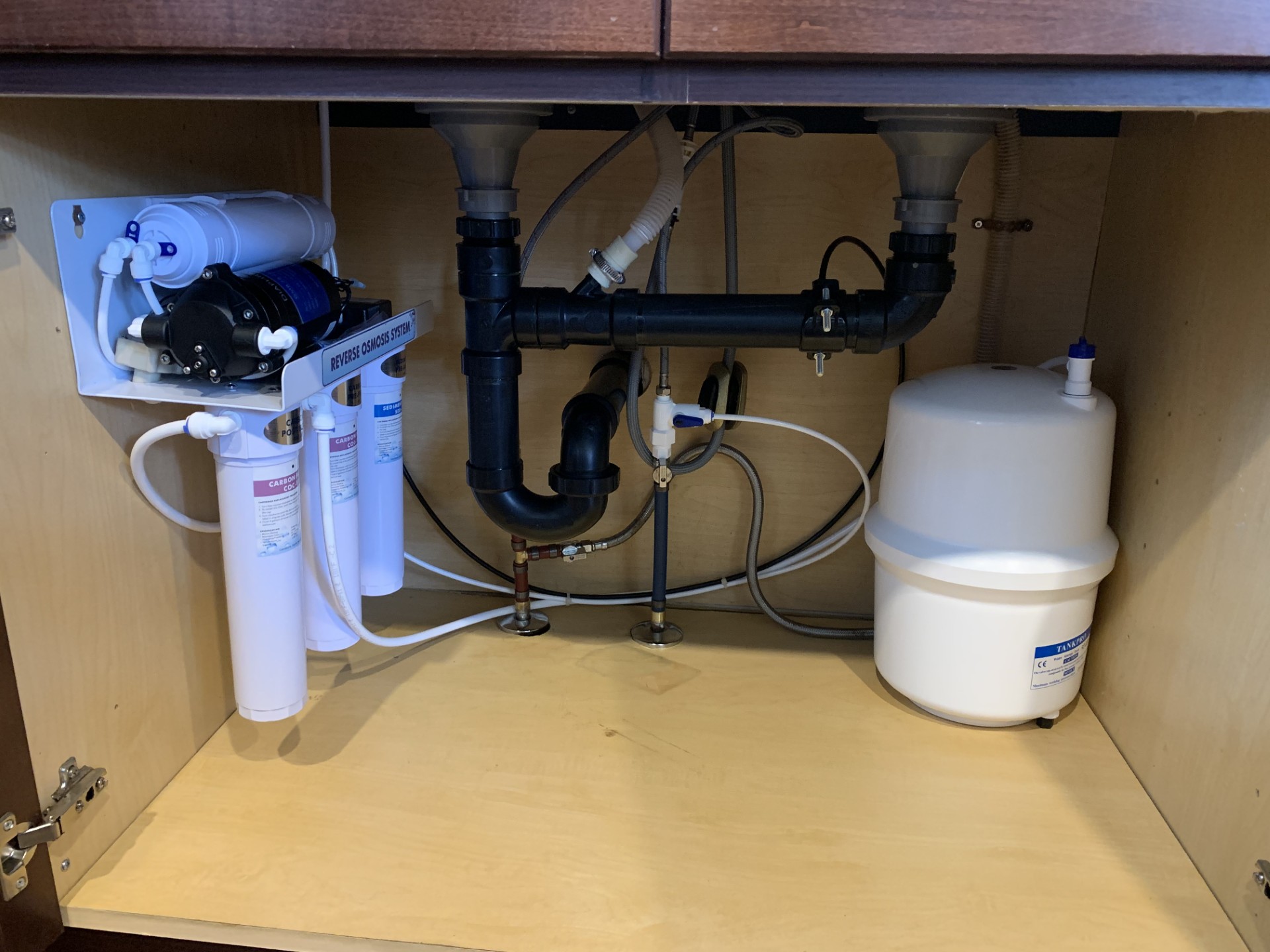
Cabinets can trap cold air, especially when sinks are located along exterior walls. I frequently find frozen supply lines under kitchen sinks in Ottawa homes during January.
Outdoor Water Lines
Exterior water lines, hose bibs, and underground supply lines near the foundation are especially vulnerable when deep frost penetrates the ground.
Warning Signs Pipes Are at Risk of Freezing
Frozen pipes don’t always announce themselves clearly. In many January service calls across Eastern Ontario, homeowners missed early warning signs.
Common indicators include:
- reduced water flow
- water pressure drops
- frost on exposed pipes
- unusual pipe noises
- cold spots on walls
- gurgling sounds
- inconsistent water temperature
If you notice any of these during a deep freeze, immediate action is critical.
How I Protect Pipes During January Deep Freezes
When I assess a home in Ottawa or surrounding Eastern Ontario communities, I take a proactive approach to pipe protection.
Step 1: Identifying Cold Zones
I inspect basements, crawlspaces, exterior walls, garages, and utility rooms to locate areas where cold air infiltrates. These zones are prioritized for insulation and protection.
Step 2: Insulating Vulnerable Pipes
I install proper pipe insulation designed to withstand prolonged cold. This includes foam sleeves, insulation wraps, and protective coverings that reduce heat loss and slow freezing.
Step 3: Sealing Air Leaks
Cold air infiltration is one of the biggest contributors to frozen pipes. I seal gaps around pipe penetrations, foundation openings, and rim joists to block cold drafts.
Step 4: Adjusting Plumbing Layouts When Necessary
In some older Ottawa and Eastern Ontario homes, pipes are routed through areas that simply aren’t suitable for winter conditions. When possible, I reroute or relocate piping to safer locations.
Step 5: Protecting Shut-Off Valves and Fixtures
Valves and fittings are often the first components to fail during freezing conditions. I ensure they are properly insulated and accessible in case emergency shut-off is needed.
Why Partial Freezing Is More Dangerous Than Complete Freezing
One of the biggest misconceptions I encounter is that pipes only burst when completely frozen. In reality, partial freezing is often worse.
When part of a pipe freezes and another section remains open, pressure builds unevenly. This creates stress fractures that may not leak immediately. Once the ice melts, water escapes through the damaged area — often inside walls or ceilings.
This is why I stress early detection and prevention during January deep freezes.
What Homeowners Should Do During Extreme Cold
Homeowners in Ottawa and Eastern Ontario can reduce freezing risk by taking a few important steps during deep freeze periods:
- Maintain consistent indoor heat, even at night
- Open cabinet doors under sinks to allow warm air circulation
- Allow a slow drip from vulnerable faucets during extreme cold
- Keep interior doors open to promote airflow
- Close garage doors tightly
- Remove snow buildup around foundation vents
- Avoid shutting off heat in unused areas of the home
These steps help stabilize temperatures around pipes during January cold snaps.
What Homeowners Should Avoid During Deep Freezes
Some well-meaning actions actually increase risk.
Avoid:
- using open flames to thaw pipes
- overheating pipes with space heaters
- pouring boiling water into frozen drains
- shutting off heat to parts of the home
- ignoring reduced water pressure
Improper thawing techniques often lead to pipe bursts and severe damage.
How I Safely Thaw Frozen Pipes
When a pipe freezes, timing matters. I use controlled, professional methods to thaw pipes safely without causing sudden pressure changes.
My approach includes:
- gradual warming
- controlled heat application
- pressure monitoring
- inspection for cracks or leaks
- reinforcement of insulation afterward
This ensures pipes are restored safely and protected against refreezing.
Why Deep Freeze Protection Is Essential in Eastern Ontario
Ottawa and Eastern Ontario experience some of the harshest winter conditions in the province. Homes here are exposed to:
- prolonged sub-zero temperatures
- heavy snowfall
- strong winter winds
- deep frost penetration
Plumbing systems must be prepared to handle these conditions. Waiting until pipes freeze is always more expensive than prevention.
Why I Encourage Preventive Pipe Inspections in January
January is the best time to identify freezing risks because cold weather reveals vulnerabilities that aren’t visible in warmer months. Inspections during this time allow me to correct issues before February cold snaps or spring thaw cause major damage.
Homeowners in Greely, Metcalfe, Russell, and surrounding Eastern Ontario communities benefit greatly from proactive winter plumbing inspections.
Professional Call-to-Action
If you’re concerned about frozen pipes or want to protect your plumbing during deep freeze conditions, I can help.
📞 Call Honest D Plumbing at (613) 229-8361
📧 Email honestdplumbing@gmail.com
I proudly serve Ottawa, Greely, Metcalfe, Russell, and surrounding Eastern Ontario areas. Let me inspect your plumbing system and help you prevent frozen pipes before winter causes costly damage.