Introduction
Living in a rural or semi-rural area around Ottawa — whether you’re in Greely, Metcalfe, Russell, Osgoode or any part of Eastern Ontario — often means relying on a private well instead of municipal water. I work on wells and rural water systems almost every week, and I can tell you this: well water is not “set it and forget it.”
Your home’s water quality affects everything:
- your drinking water
- your plumbing system
- your appliances
- your fixtures
- your family’s health
And the number of rural homeowners I meet who struggle silently with iron, sediment, sulfur smells, staining, pressure issues, or cloudy water is much larger than you’d think.
After years of working with well owners across Eastern Ontario, I’ve developed a reliable process for diagnosing water problems, improving water quality, and designing the right filtration or treatment system for each home.
In this blog, I’ll walk you through how I evaluate well water, common problems I see, how they affect your plumbing, and the solutions I install to give rural homeowners clean, safe, reliable water year-round.
Why Rural Well Water Needs Extra Attention
Municipal water systems in Ottawa are filtered, treated, tested and monitored constantly.
But private wells?
The homeowner is responsible for everything.
Well water can vary dramatically from property to property depending on:
- depth of the well
- age of the system
- type of bedrock under your land
- minerals present
- seasonal water table changes
- surrounding soil and landscape
- bacteria levels
- sediment infiltration
- iron, manganese or sulfur presence
This is why two homes just down the road from each other can have completely different water quality.
Common Water Quality Issues I See in Rural Eastern Ontario
After years of working on rural plumbing systems, these are the problems I diagnose most often.
1. Sediment & Sand in the Water
This is extremely common in shallow wells and older well systems.
You may notice:
- cloudy water
- grit collecting in faucet aerators
- sand inside appliances
- reduced hot water capacity (sediment in the tank)
- clogged filters after only a few weeks
How I fix it:
I install sediment pre-filters, larger micron filters, or whole-home systems that capture sand before it enters your plumbing.
2. Hard Water (Calcium & Magnesium)
Most Eastern Ontario homes have hard water unless treated.
Hard water causes:
- scale buildup in pipes
- reduced water heater efficiency
- white spots on dishes
- stiff laundry
- dry skin and hair
- premature fixture damage
How I fix it:
I install water softening systems that remove calcium and magnesium — protecting your plumbing and improving comfort.
3. Iron & Manganese (Red or Black Staining)
Iron is one of the most common well water contaminants in Ottawa’s rural areas.
Signs include:
- orange or rusty stains in toilets & tubs
- metallic taste or smell
- black staining from manganese
- slimy buildup inside fixtures
- brownish tint to your water
These minerals destroy appliances with constant buildup.
How I fix it:
Depending on the type of iron, I install:
- iron filters
- air injection systems
- oxidizing filters
- sediment filtration
- combination softener + iron removal setups
4. Sulfur (Rotten Egg Smell)
Nothing tells you there’s a well water issue like that sulfur smell.
It comes from natural bacteria that create hydrogen sulfide gas.
How I fix it:
I install systems designed for sulfur removal, often combined with iron filters or aeration.
5. Low Water Pressure from Well System Issues
Low pressure can come from:
- aging well pumps
- failing pressure tanks
- sediment-filled lines
- clogged filters
- failing check valves
- incorrect pressure switch settings
How I fix it:
I test your pump, tank, and switch settings, then calibrate or replace components as needed.
6. Bacteria Contamination
This is the one issue homeowners never want to hear — but it happens.
Signs are not always visible. Sometimes the only clues are:
- upset stomach
- unusual odour
- cloudy water
- seasonal changes in water quality
How I fix it:
I install UV disinfection systems and ensure proper pre-filtration to protect your family.
My Full Well Water Diagnosis Process
When I evaluate a well water system, I follow a detailed step-by-step approach.
Step 1 — Talking With the Homeowner
I ask about:
- taste
- odour
- staining
- pressure
- changes over time
- well depth and age
- recent pump or tank replacements
Homeowners give me half the clues before I even start testing.
Step 2 — Inspecting the Well Pump & Pressure Tank
I check:
- pressure switch settings
- pump cycling
- tank bladder function
- leaks or corrosion
- pump noise
- pressure cutoff levels
If the tank or pump cycles too often, you may be losing pressure or burning through your pump prematurely.
Step 3 — Testing Water Quality
I check for:
- hardness
- pH
- iron
- manganese
- sulfur content
- total dissolved solids
- sediment level
- bacteria indicators (if testing is arranged)
Water test results guide everything I recommend.
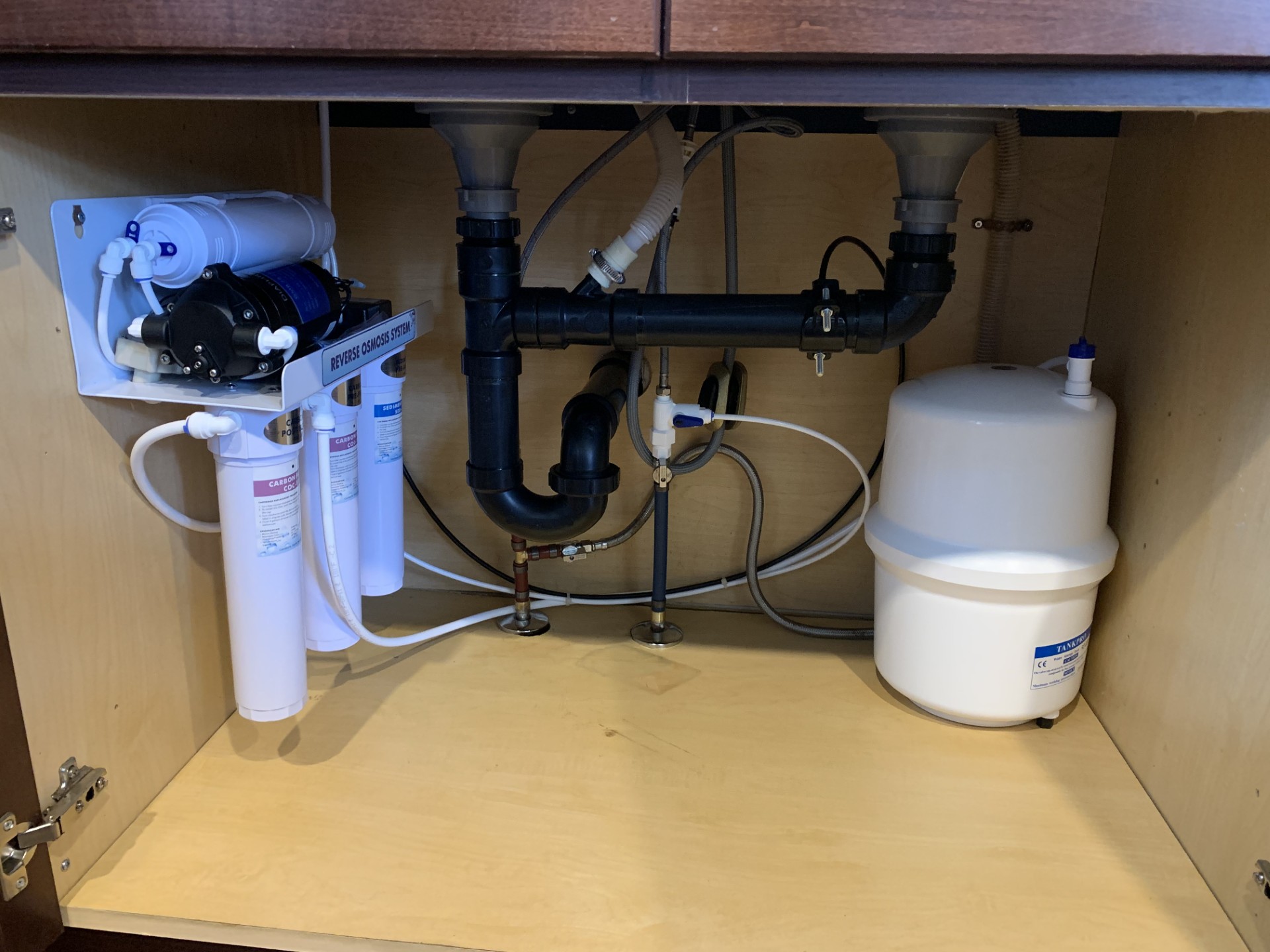
Step 4 — Inspecting the Filtration Setup (If Any)
Many rural homeowners have filtration systems but don’t realize:
- filters are clogged
- units are bypassed
- systems weren’t sized correctly
- media beds are exhausted
- incorrect filters were installed
I determine what’s working — and what isn’t.
Step 5 — Designing the Right Solution
Every well is different, so every solution must be customized.
I choose the correct system based on:
- water chemistry
- family size
- pump capacity
- maintenance preference
- space available
- budget
- long-term needs
The Well Water Solutions I Install Most Often
Here are the systems I frequently install in Ottawa-area rural homes:
1. Sediment Filtration
Stops sand, silt, and grit.
Benefits:
- protects fixtures
- prevents clogged aerators
- increases pump lifespan
- keeps appliances clean
- prevents water heater sediment buildup
2. Water Softeners
Essential for hard water.
Benefits:
- protects water heaters
- improves appliance life
- reduces scale
- improves cleaning & laundry
- leaves skin feeling soft
3. Iron & Manganese Removal Systems
These can include:
- oxidation filters
- air injection
- chlorine injection (only if needed)
- specialty resins
- pre-filter combinations
Benefits:
- eliminates orange staining
- improves taste
- protects plumbing and appliances
- stops slimy iron bacteria buildup
4. UV Purification Systems
Used when bacteria is a concern.
Benefits:
- chemical-free
- instantly disinfects water
- protects your family
- works continuously
5. Carbon Filters
Used for taste, odour, and chemical residue.
Benefits:
- polished water
- removes chlorine (if present from treatment)
- improves cooking and drinking quality
6. Pressure Tank & Pump Optimization
Sometimes the water quality is fine — the issue is the system.
I repair or replace:
- pressure tanks
- switches
- pumps
- check valves
- wiring
- discharge lines
This restores steady pressure and flow.
Why Proper Filtration Protects Your Plumbing System
Most homeowners don’t realize how damaging untreated well water can be.
Hard water creates scale buildup.
Iron destroys appliance components.
Sediment clogs pipes and fixtures.
Sulfur corrodes metals.
Bacteria spreads through the whole system.
The longer the water stays untreated, the more repairs you will face.
The right filtration system saves money, extends appliance life, and protects your plumbing investment.
My Commitment to Rural Homeowners
When I install a water treatment or filtration system, I don’t just drop it in and leave. I make sure:
- it’s sized properly
- it’s set up correctly
- the homeowner knows how to maintain it
- replacement schedule is clear
- the system protects the entire home
- pressure is balanced
- drainage is correct
- bypass valves are accessible
I stand behind my work because I know how important safe, clean water is for your home and your health.
Call-to-Action
If you’re dealing with staining, low pressure, strange tastes, smells, sediment, or just want to know what’s in your well water — I can help.
📞 Call Honest D Plumbing at (613) 229-8361
📧 Email honestdplumbing@gmail.com
I’ll test your water, evaluate your system, and design the perfect solution to give your home clean, safe, reliable water — all year long.