Introduction
One of the most common — and dangerous — plumbing problems I’m called to fix in Ottawa and Eastern Ontario is the hidden leak. These leaks are the quiet, sneaky kind that don’t announce themselves with a burst or a flood. They hide behind drywall, under floors, inside ceilings, or in mechanical spaces until one day you notice a wet patch, a musty smell… or a surprise spike in your water bill.
As a licensed plumber, I’ve seen firsthand how a small drip can turn into a disaster. A leak the size of a pinhole can cause thousands of dollars in structural damage if it goes unnoticed. That’s why I’ve developed a detailed, step-by-step leak-detection process to identify hidden plumbing issues early — before they become an emergency.
In this blog, I’m sharing exactly how I diagnose hidden leaks, the tools I use, the signs you should look for, and how early detection protects homes in Ottawa, Metcalfe, Greely, Russell, and the surrounding areas.
Why Hidden Leaks Are So Dangerous
A hidden leak is often worse than an obvious one. Here’s why:
1. They cause long-term structural damage
Even a slow, steady drip can saturate insulation, flooring, joists, and drywall over time. By the time stains appear, the internal damage is already significant.
2. Mold growth begins quickly
Moisture trapped in walls is the perfect environment for mold — which has health risks and requires expensive remediation.
3. They drive up water bills
I’ve seen homeowners lose hundreds of dollars before realizing there’s a leak.
4. Leaks weaken plumbing systems
Pressure drops, corrosion accelerates, and fittings loosen over time.
5. They’re costly to repair once visible
A leak hidden for months may require:
- wall removal
- insulation replacement
- flooring repair
- mold remediation
- pipe replacement
Catching leaks early saves thousands.
Common Places I Find Hidden Leaks
In Ottawa & Eastern Ontario, especially in older or rural homes, certain areas are more prone to hidden leaks:
1. Behind bathroom or kitchen walls
Leaks from shower valves, faucet lines, or drain traps often hide for months.
2. Under basement concrete slabs
A slab leak can cause damp floors, moldy smells, or unexplained water pooling.
3. Under sinks & inside cabinets
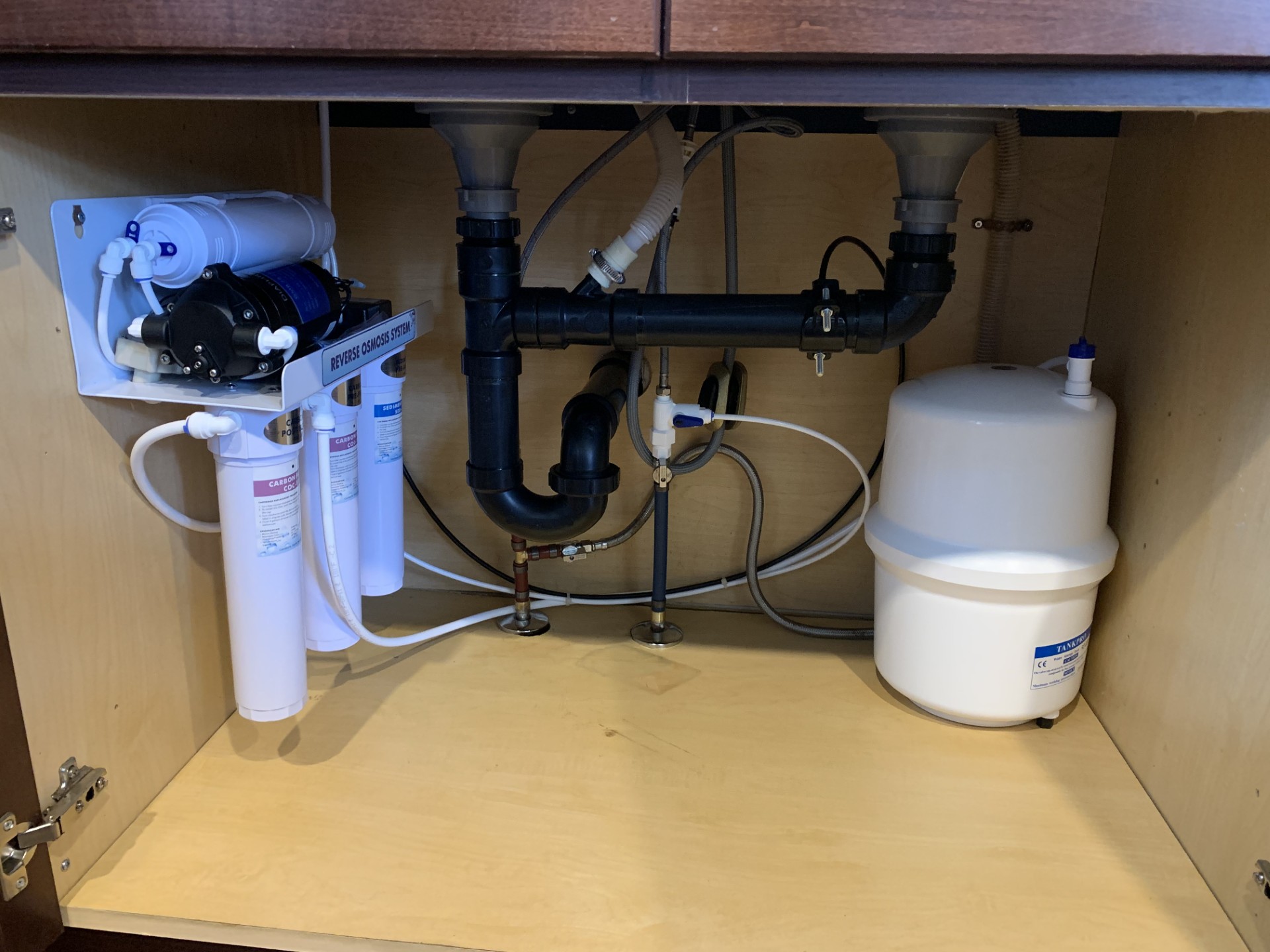
Slow leaks from P-traps, shut-off valves, or supply lines often go unnoticed until wood starts swelling or deforming.
4. In ceilings below bathrooms
These are common when tub drains, shower pans, or toilet seals begin to fail.
5. Around water heaters & softeners
Corrosion or valve failure may cause quiet but steady seepage.
6. Inside walls with plumbing passing through cold zones
Freeze-thaw cycles cause micro-cracks that start invisible and worsen over time.
7. Around sump pumps & foundation walls
Especially in rural areas or older homes with groundwater issues.
How I Diagnose Hidden Plumbing Leaks Before They Spread
I use a combination of experience, technology, and methodical testing to identify leaks without unnecessary damage. Here’s the full process:
Step 1 — Listening to the Homeowner’s Observations
Before I begin any physical inspection, I ask:
- “Have you noticed any unusual smells?”
- “Is the water bill higher than normal?”
- “Are there any soft spots, bubbling paint, or discoloration?”
- “Have you noticed temperature changes on walls?”
- “Has water pressure dropped?”
Homeowners often provide the first clues.
Step 2 — Visual Inspection of High-Risk Areas
I look for:
- discolored paint
- peeling wallpaper
- water rings on ceilings
- warped baseboards
- floor soft spots
- bubbling drywall
- mold spots
- rust on metal surfaces
Even tiny visual cues lead to big discoveries.
Step 3 — Using a Moisture Meter
![Image: Moisture meter reading]
A moisture meter is one of my most valuable leak-detection tools. I use it to scan:
- drywall
- trim
- flooring
- studs
- ceilings
It tells me exactly where moisture is sitting, even when no water is visible.
High readings point to hidden issues.
Step 4 — Thermal Imaging
![Image: Thermal camera detecting cold spot]
Thermal cameras allow me to “see” temperature changes behind walls.
Water cools quickly and shows up as blue or purple on the thermal image.
This helps me identify:
- the path of a leak
- moisture pooling
- failing insulation
- pipe condensation
- micro-cracks in supply lines
With thermal imaging, I often find leaks without cutting a single hole.
Step 5 — Pressure Testing the Plumbing System
If I suspect a supply line leak, I perform a controlled pressure test.
This identifies:
- leaking joints
- cracked pipes
- corroded fittings
- pinhole leaks in copper
Pressure drops = leak confirmed.
Step 6 — Checking the Water Meter for Movement
This is a simple but effective test.
If all water sources are off, but the meter still moves — there’s a leak somewhere in the system.
For many homeowners, this is the moment they realize the problem is real.
Step 7 — Camera Inspection for Drain Leaks
Drain lines can leak inside walls and ceilings, especially older ABS or PVC systems.
I use a small inspection camera to:
- check for cracks
- locate loose fittings
- find leaking seals
- spot blockage-related leaks
This technique avoids unnecessary wall removal.
Step 8 — Targeted Opening (Only When Needed)
I never cut open walls unless I’m 100% certain of the location.
Once I pinpoint the area, I create a small, controlled opening to:
- inspect the pipe
- verify the source
- repair or replace the damaged section
- dry the cavity
- sanitize for mold control
Minimal damage. Maximum accuracy.
Common Causes of Hidden Leaks in Our Region
1. Freezing & Thawing Pipes
Ottawa’s climate causes expansion stress on pipes — especially in exterior walls or cold basements.
2. Aging Copper or Galvanized Pipes
Older homes often have corrosion or pinhole leaks.
3. High Water Pressure
High pressure stresses joints & fixtures. I often recommend pressure-reducing valves for longevity.
4. Faulty Waterproofing
Improper shower installs or caulking issues cause months of unseen water damage.
5. Well Water Mineral Damage
Rural homes often have harder water, which corrodes fittings faster.
6. Foundation Movement
Clay soil and frost heave impact buried or slab piping.
How You Can Catch Leaks Early (Before They Cost Thousands)
Here are simple signs homeowners often miss:
- unexplained damp or musty smell
- warm or cold spots on walls
- peeling paint
- tiny cracks on ceilings
- flooring that feels “spongy”
- mold growth
- low water pressure
- hot water tank cycling too often
- increased humidity in one area of the home
- bugs or ants gathering near baseboards
- sudden spike in water bill
If you notice even one of these, contact me right away.
What I Do After Finding a Leak
Once I diagnose the problem, I:
- repair or replace the leaking pipe or fitting
- fully dry the area using air movement
- sanitize with anti-microbial treatment if needed
- recommend long-term prevention steps
- inspect nearby plumbing to ensure no additional risks
- review insulation conditions to prevent future freezes
- verify water pressure is safe
- help you prevent mold growth
The goal isn’t just to fix the leak — it’s to protect your home from future problems.
Why Early Leak Detection Matters in Ottawa & Eastern Ontario
Because our region has:
- older homes
- cold winters
- mixed plumbing systems
- well water considerations
- basement moisture issues
- freeze-thaw cycles
Leaks progress faster and cause more damage here than in milder climates.
I’ve seen families save thousands of dollars simply by catching a leak early during a routine inspection.
Call-to-Action
If you suspect even the smallest hidden leak — don’t wait until you’re dealing with mold or structural damage.
Let me inspect it properly, using professional tools and years of experience.
📞 Call Honest D Plumbing at (613) 229-8361
📧 Email honestdplumbing@gmail.com
I’ll help you detect hidden leaks early, protect your home, and prevent costly repairs before they ever start.