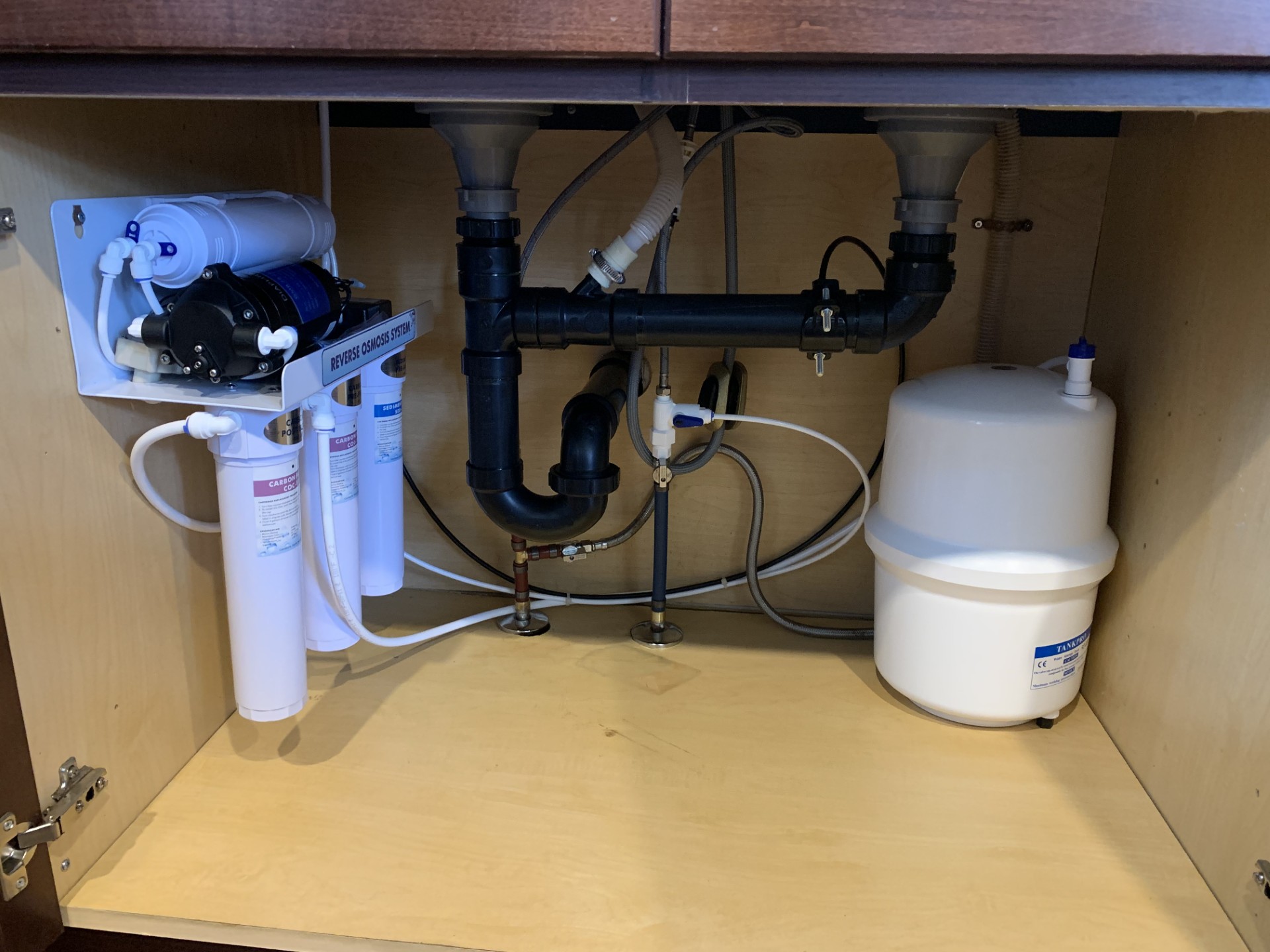
Some of the most important plumbing components in a home are also among the easiest to overlook. Hidden beneath sinks, behind toilets, beside washing machines, and connected to appliances are relatively small water supply lines and fittings that quietly perform their job every day.
Because these connections are usually out of sight, homeowners may not think about them until water appears on the floor or inside a cabinet.
At Honest D Plumbing, we help homeowners throughout Ottawa, Greely, Metcalfe, Russell, Osgoode, North Gower, Kemptville, Winchester, and surrounding Eastern Ontario communities identify plumbing components that may be showing signs of age, deterioration, corrosion, or leakage.
A home’s plumbing system is only as dependable as the connections that hold it together. Paying attention to these small components can help homeowners identify developing concerns before they cause unnecessary water damage.
What Are Plumbing Supply Lines?
Water supply lines connect plumbing fixtures and certain household appliances to the home’s water supply.
Depending on the plumbing configuration, homeowners may see these connections near:
- Bathroom sinks
- Kitchen sinks
- Toilets
- Washing machines
- Dishwashers
- Other water-connected fixtures and appliances
Some supply connections are visible. Others are tucked behind appliances or inside cabinets where homeowners rarely inspect them.
Although they may appear simple, these components are responsible for containing pressurized water whenever the water supply is active.
That makes their condition important.
Why Small Connections Deserve Attention
A supply connection does not need to be large to create a significant problem.
When a connection begins leaking, water may continue escaping until the supply is shut off or the problem is repaired.
Depending on where the leak occurs, surrounding materials may include:
- Cabinetry
- Flooring
- Drywall
- Baseboards
- Ceilings
- Insulation
- Furniture
This is why preventative inspection can be valuable.
Finding deterioration before a leak develops is preferable to discovering a problem after water has already spread through the home.
Under the Bathroom Sink: An Easy Place to Start
Bathroom vanity cabinets are one of the simplest areas homeowners can inspect.
Unfortunately, they are also frequently filled with toiletries, cleaning products, towels, and other items.
This storage can hide the plumbing from view.
Occasionally clearing the cabinet provides an opportunity to look at the supply connections.
Homeowners should watch for:
- Visible moisture
- Corrosion
- Mineral deposits
- Water staining
- Damp cabinet surfaces
- Dripping
- Connections that appear damaged
If something looks unusual, professional evaluation can help determine whether service is needed.
Kitchen Sink Connections Work Hard Every Day
The plumbing beneath a kitchen sink may experience frequent use because the kitchen is one of the busiest areas in most homes.
In addition to the faucet supply, the cabinet may contain plumbing associated with other equipment depending on the home’s setup.
Because water, cleaning supplies, and stored household items often share the same cabinet, a small plumbing leak can initially be difficult to recognize.
A musty smell or swollen cabinet floor may be the first clue.
Regular visual checks can help homeowners identify these changes earlier.
Toilet Supply Lines Are Easy to Ignore
Most people pay attention to the toilet itself but rarely look closely at the water connection supplying it.
That connection deserves periodic attention.
Homeowners should check for:
- Dampness near the shut-off valve
- Water around the supply connection
- Corrosion
- Mineral deposits
- Visible deterioration
- Unexplained moisture near the toilet
Water on the bathroom floor should never automatically be assumed to come from splashing or condensation.
If moisture repeatedly appears, the source should be identified.
Washing Machine Connections Can Be Especially Important
A washing machine requires a substantial water supply to perform its job.
The supply connections are often located behind the appliance, making them difficult to see during everyday use.
Over time, homeowners may forget they are there altogether.
This is why laundry areas deserve periodic inspection.
Warning signs may include:
- Visible hose deterioration
- Dampness behind the washing machine
- Corroded connections
- Water marks on the wall
- Moisture on the floor
- Unusual smells
If the laundry room is located on an upper floor, a leak may have the potential to affect finished areas below.
Keeping the connections accessible and having questionable components professionally evaluated can help reduce this risk.
Dishwashers Can Hide Plumbing Concerns
Dishwashers are built into kitchen cabinetry in many homes, which means much of their plumbing is concealed.
A small leak may not immediately appear in front of the appliance.
Instead, homeowners may notice:
- Flooring changes nearby
- Moisture beneath adjacent cabinets
- A musty odor
- Water appearing intermittently
- Discoloration near the base of cabinetry
Because several potential causes can create these symptoms, professional diagnosis is useful.
The objective is to determine where the water is coming from before additional damage occurs.
What Does Corrosion Around a Connection Mean?
Corrosion is a visible sign that deserves attention.
It may appear as discoloration, buildup, or deterioration around a plumbing connection or valve.
The presence of corrosion does not tell a homeowner exactly what repair is required, but it is a reason to have the component evaluated.
Homeowners should avoid aggressively manipulating a visibly deteriorated connection.
An older component that has remained undisturbed for years may be more fragile than it appears.
Mineral Deposits Can Be a Clue
White, greenish, or other mineral deposits around a plumbing fitting can sometimes indicate that moisture has been present.
A connection may not be actively dripping when the homeowner looks at it, yet deposits can provide evidence of previous or intermittent leakage.
Hard water conditions can also contribute to mineral accumulation on plumbing fixtures and components.
Homes throughout Ottawa and surrounding Eastern Ontario communities may experience varying degrees of mineral buildup depending on their water source and plumbing system.
When deposits appear around a supply connection, professional assessment can help determine whether maintenance is appropriate.
Age Matters, but Condition Matters More
Homeowners sometimes ask how long a particular plumbing connection should last.
There is no single answer that applies to every home.
Service life can depend on factors including:
- Component material
- Installation quality
- Water conditions
- Water pressure
- Environment
- Usage
- Maintenance history
Rather than relying only on age, homeowners should pay attention to visible condition and changes over time.
An older connection that appears questionable deserves evaluation, particularly when it serves an appliance or fixture used every day.
Water Pressure Can Affect Plumbing Connections
Water pressure influences the entire plumbing system.
Excessive pressure may place unnecessary stress on:
- Supply lines
- Fittings
- Valves
- Fixtures
- Appliance connections
- Water heaters
Homeowners may not realize their pressure is higher than appropriate simply because faucets seem to work normally.
Professional pressure testing can provide useful information about how the plumbing system is operating.
If supply line concerns repeatedly develop in different areas of the home, examining overall water pressure may be part of the investigation.
Renovations Are a Good Time to Review Connections
Bathroom, kitchen, and laundry renovations provide an excellent opportunity to evaluate plumbing that is normally difficult to access.
When cabinets, fixtures, or appliances are being replaced, homeowners may have a chance to inspect components that have been hidden for years.
Instead of automatically reconnecting every older component, it may be worthwhile to have the plumbing evaluated.
This can be particularly useful in older homes throughout Ottawa, Russell, Winchester, Kemptville, and other established Eastern Ontario communities.
Recently Purchased a Home? Learn What Is Behind the Fixtures
Moving into a new home comes with countless responsibilities.
Plumbing supply lines are unlikely to be near the top of the list.
However, new homeowners may not know:
- How old the connections are
- Whether previous leaks occurred
- When plumbing components were last replaced
- Where fixture shut-off valves are located
- Whether visible corrosion has been developing
A professional plumbing evaluation can help homeowners become familiar with important components throughout the property.
This knowledge can make future maintenance easier.
Early Fall Is a Practical Time for an Inspection
September is an ideal transition period for homeowners throughout Eastern Ontario.
The intense activity of summer begins to settle, but harsh winter conditions have not yet arrived.
This makes early fall a practical time to check areas that may have been overlooked during warmer months.
Homeowners can inspect:
- Bathroom vanity cabinets
- Kitchen sink plumbing
- Toilet supply connections
- Laundry hookups
- Water heater connections
- Visible shut-off valves
- Outdoor plumbing components
A few minutes spent looking for changes can reveal concerns that deserve professional attention.
Do Not Wait for a Puddle
One of the most important lessons in preventative plumbing maintenance is that a visible puddle is not the first stage of every leak.
Earlier warning signs can include:
- Corrosion
- Mineral deposits
- Musty smells
- Dampness
- Staining
- Swollen cabinet material
- Changes in flooring
Recognizing these clues allows homeowners to investigate before a leak becomes more disruptive.
What to Do If a Supply Line Is Leaking
If homeowners discover active leaking, the priority is to prevent additional water damage while keeping personal safety in mind.
When an appropriate fixture shut-off can be safely operated, it may help isolate the water supply.
If the leak cannot be controlled locally, the home’s main water shut-off may need to be used.
Professional plumbing service should then be arranged so the source can be properly evaluated and repaired.
Homeowners should avoid forcing old or damaged valves and connections.
Preventative Plumbing Is About the Details
Major plumbing equipment naturally receives attention because of its size and importance.
Yet many water-related problems begin with much smaller components.
A connection beneath a sink or behind an appliance may be only a small part of the plumbing system, but it still holds back pressurized water every day.
That makes routine observation worthwhile.
At Honest D Plumbing, we encourage homeowners to consider the complete plumbing system—not only the components that are easiest to see.
Serving Homes Throughout Ottawa and Eastern Ontario
Homes throughout Ottawa, Greely, Metcalfe, Russell, Osgoode, North Gower, Kemptville, Winchester, and surrounding Eastern Ontario communities vary significantly in age, construction, and plumbing configuration.
Some properties contain recently installed plumbing. Others have components that have served reliably for many years.
Regardless of the home’s age, inspecting visible supply lines and connections can be an important part of preventative maintenance.
Small components deserve attention because small leaks can sometimes create surprisingly large consequences.
Professional Call-to-Action
When was the last time you looked closely at the water supply connections beneath your sinks, behind your toilet, or around your laundry equipment?
If you notice corrosion, moisture, mineral buildup, deterioration, or signs of a possible leak, Honest D Plumbing can help determine what needs attention.
📞 Call Honest D Plumbing at (613) 229-8361
📧 Email honestdplumbing@gmail.com
We proudly provide professional plumbing services throughout Ottawa, Greely, Metcalfe, Russell, Osgoode, North Gower, Kemptville, Winchester, and surrounding Eastern Ontario communities, helping homeowners address small plumbing concerns before they become bigger problems.